Food Packaging Color Codes: How Color Shapes Perception and Sales
- Share
- publisher
- Remy
- Issue Time
- Dec 23,2025
Summary
Explore how different colors on food packaging convey meaning, influence consumer perception, and guide purchase decisions. In a crowded shelf environment, the right color strategy can both promote product messaging and support brand positioning.

B2B Guide • Food Packaging Color Psychology
Food Packaging Color Codes: How Color Shapes Perception and Sales
Explore how different colors on food packaging convey meaning, influence consumer perception, and guide purchase decisions. In a crowded shelf environment, the right color strategy can both promote product messaging and support brand positioning.
1) Why Color Matters in Food Packaging
Colors on food packaging are visual signals that help consumers make rapid judgments about taste, freshness, healthfulness, and quality. These cues are especially powerful because they’re processed faster than text, and can evoke emotional responses that influence purchase decisions. Warm colors like red or orange often stimulate appetite and excitement, while cooler hues like green suggest freshness and natural ingredients. :contentReference[oaicite:0]{index=0}
Food brands that understand the strategic use of color are better positioned to communicate product personality and build deeper connections with their target audience.
2) Common Food Packaging Color Codes
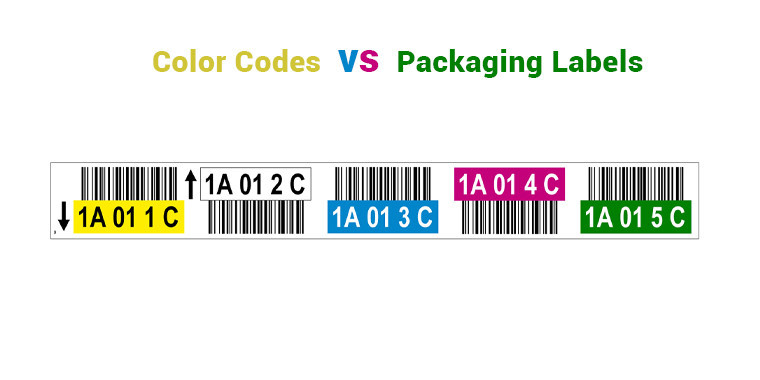
Different color codes on food packaging are widely used to communicate specific product attributes at a glance. For example, green is frequently associated with natural, organic, or vegetarian options, while red may imply bold flavor or indulgence. :contentReference[oaicite:1]{index=1}
- Red – Often used to increase appetite and highlight bold, rich flavors.
- Green – Signals freshness, health, and plant-based ingredients.
- Yellow/Orange – Suggests energy, brightness, and savory appeal.
- Blue – Conveys trust and calm; sometimes used for beverages or cool treats.
These codes are not rules, but conventions rooted in consumer expectations and cultural associations that help shoppers infer taste, quality, and value without reading detailed text. :contentReference[oaicite:2]{index=2}
3) Color Psychology and Consumer Perception
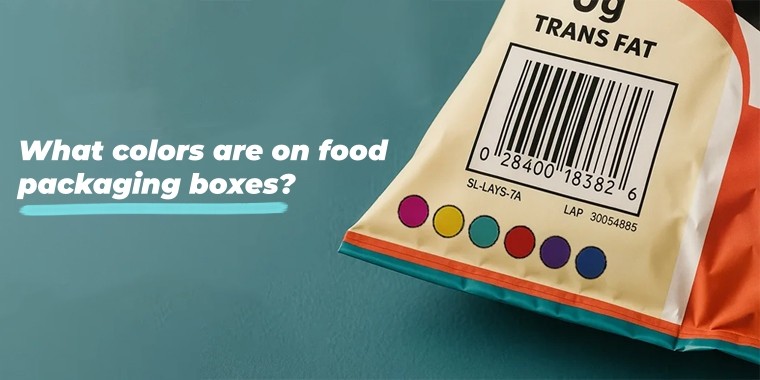
Packaging colors can shape how consumers perceive product attributes even before they taste the food. Research shows that warm tones are often linked to higher caloric perception, while cool tones like green can make products seem lighter or healthier. :contentReference[oaicite:3]{index=3}
Bright, high-saturation colors are typically used for products that aim to grab attention quickly, whereas softer tones can suggest subtlety, purity, or premium quality. These subconscious cues build expectations about flavor and experience. :contentReference[oaicite:4]{index=4}
4) Food Packaging Color Strategy for Brands
For food brands, a thoughtful color strategy goes beyond aesthetics. It ties into product positioning, targeted messaging, and shelf stand-out. A coherent palette can signal quality and help differentiate a brand from competitors in a crowded retail environment.
Designers often combine primary colors with supportive accents to reinforce messaging. Consistent use of brand colors also improves recall and strengthens identity across product lines.
5) Sustainable Color Use in Packaging
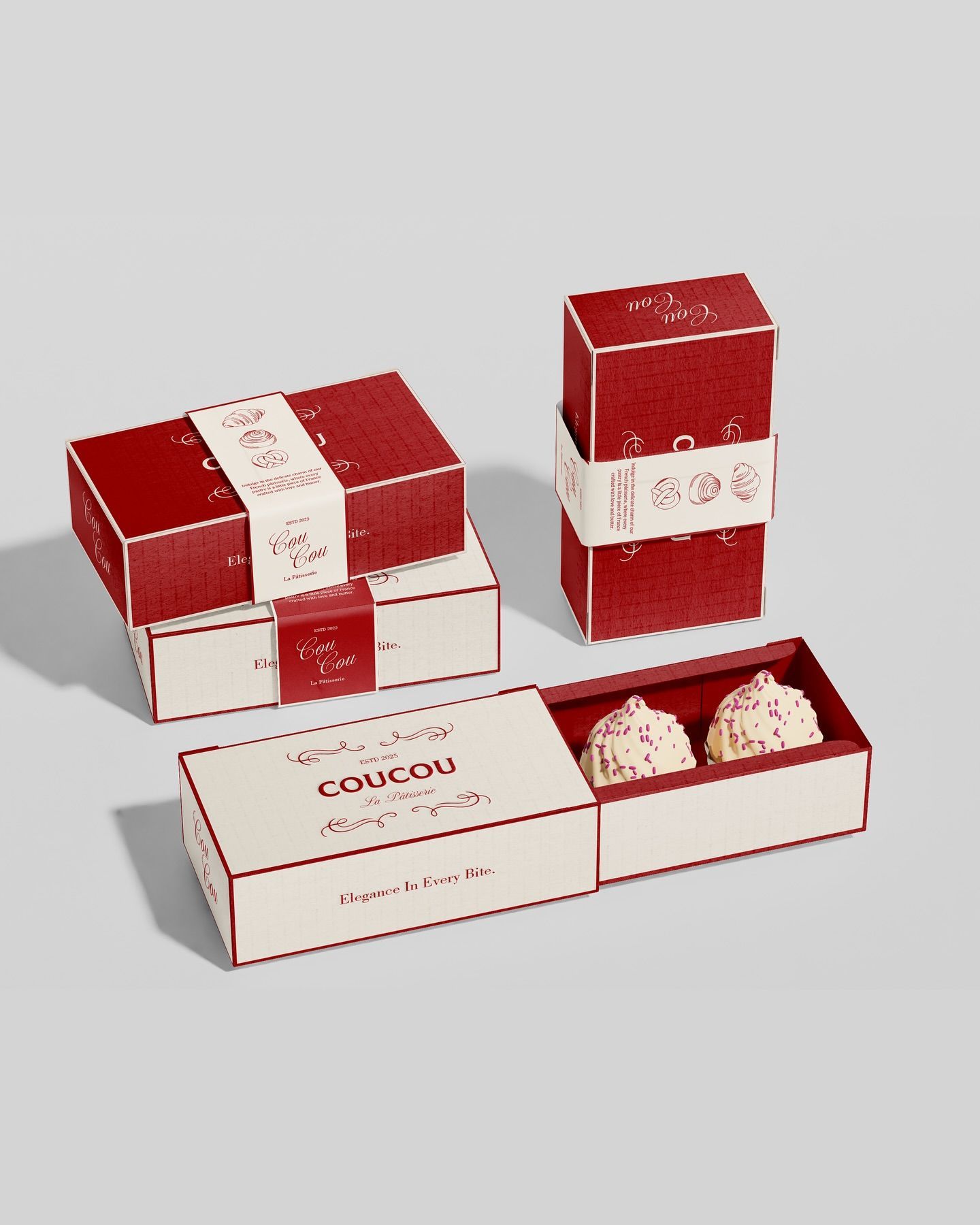
Sustainable packaging design balances color appeal with environmental responsibility. Earth tones, minimalistic palettes, and natural kraft substrates communicate eco-conscious values, which are increasingly important to modern consumers. This approach reduces visual clutter while aligning packaging with sustainable brand positioning.
Incorporating recyclable inks and focusing on essential visual cues helps brands communicate authenticity without excess resource use.
6) How DHP Boxes Can Help
At DHP Boxes, we understand that packaging color plays a crucial role in food branding and consumer perception. Our custom printing capabilities ensure consistent color reproduction and help food brands articulate their identity through packaging. Whether you need vibrant hues or subtle tones, we support creative solutions that align with your marketing strategy.
Explore our capabilities and get expert guidance on color selection and structural integrity by visiting our Custom Printed Packaging page or connecting with us via Contact.
7) FAQs
Do colors really influence food choice? ⌄
Yes. Packaging colors send instant visual cues that impact appetite, perceived flavor, and overall appeal. Warm tones often stimulate appetite, while certain cool hues can emphasize freshness or health.
Are color codes standardized internationally? ⌄
There is no universal standard for color codes across all food packaging. However, many brands rely on common associations like green for natural or healthy offerings and red for bold flavors.
Can packaging color affect caloric perception? ⌄
Studies suggest that warmer packaging colors can lead consumers to perceive higher calories compared to cooler colors for the same product.