Best Clothing Packaging Box Solutions for Mailing: Protection, Cost, and Brand Impact
- Share
- publisher
- Remy
- Issue Time
- Dec 25,2025
Summary
Learn how to choose the right mailer box, board grade, and sizing strategy for shipping apparel safely—while keeping costs predictable and the unboxing experience on brand. This guide is written for fashion brands, e-commerce sellers, and retail suppliers sourcing scalable packaging.
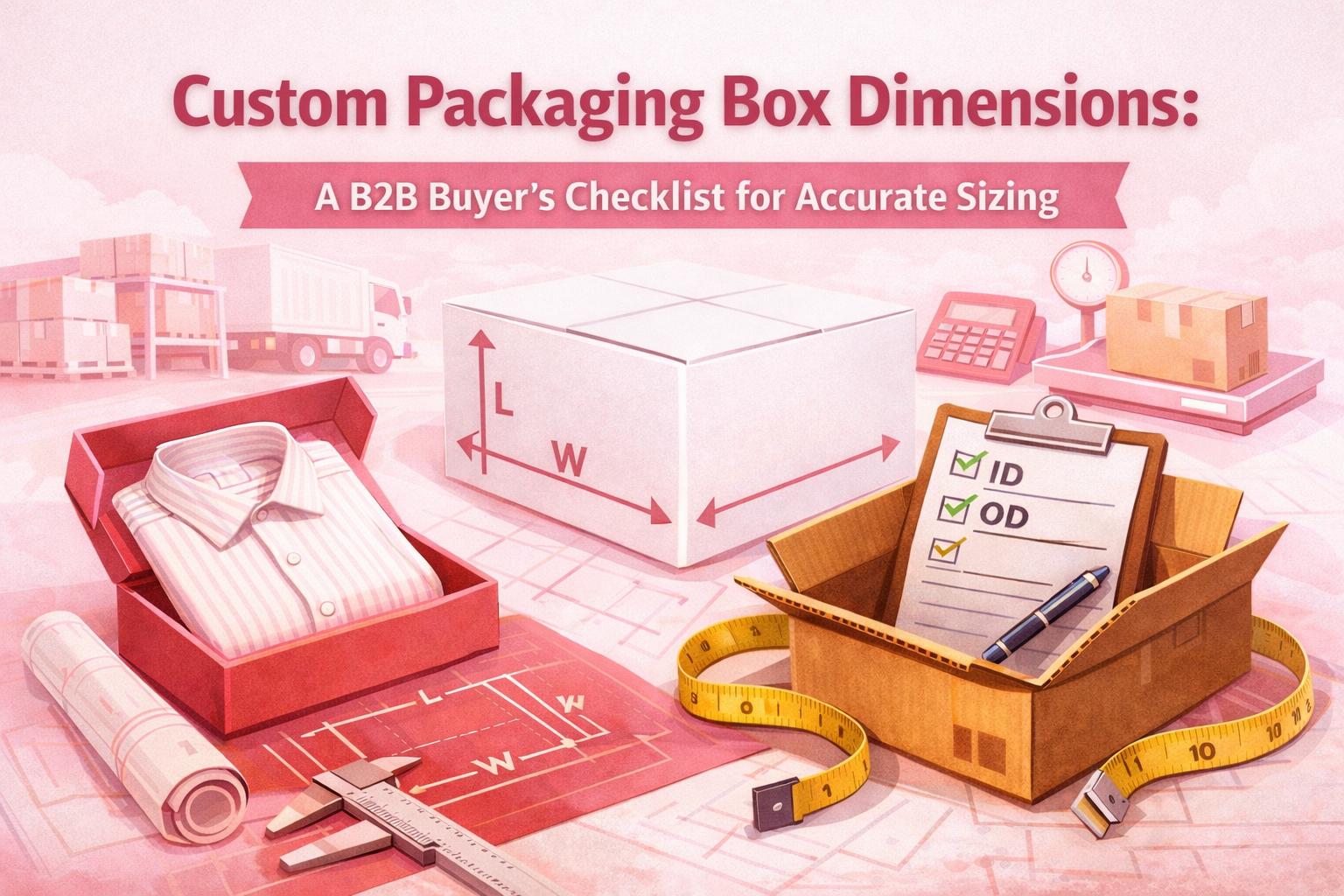
B2B Guide • Apparel Fulfillment Packaging
Best Clothing Packaging Box Solutions for Mailing: Protection, Cost, and Brand Impact
Learn how to choose the right mailer box, board grade, and sizing strategy for shipping apparel safely—while keeping costs predictable and the unboxing experience on brand. This guide is written for fashion brands, e-commerce sellers, and retail suppliers sourcing scalable packaging.
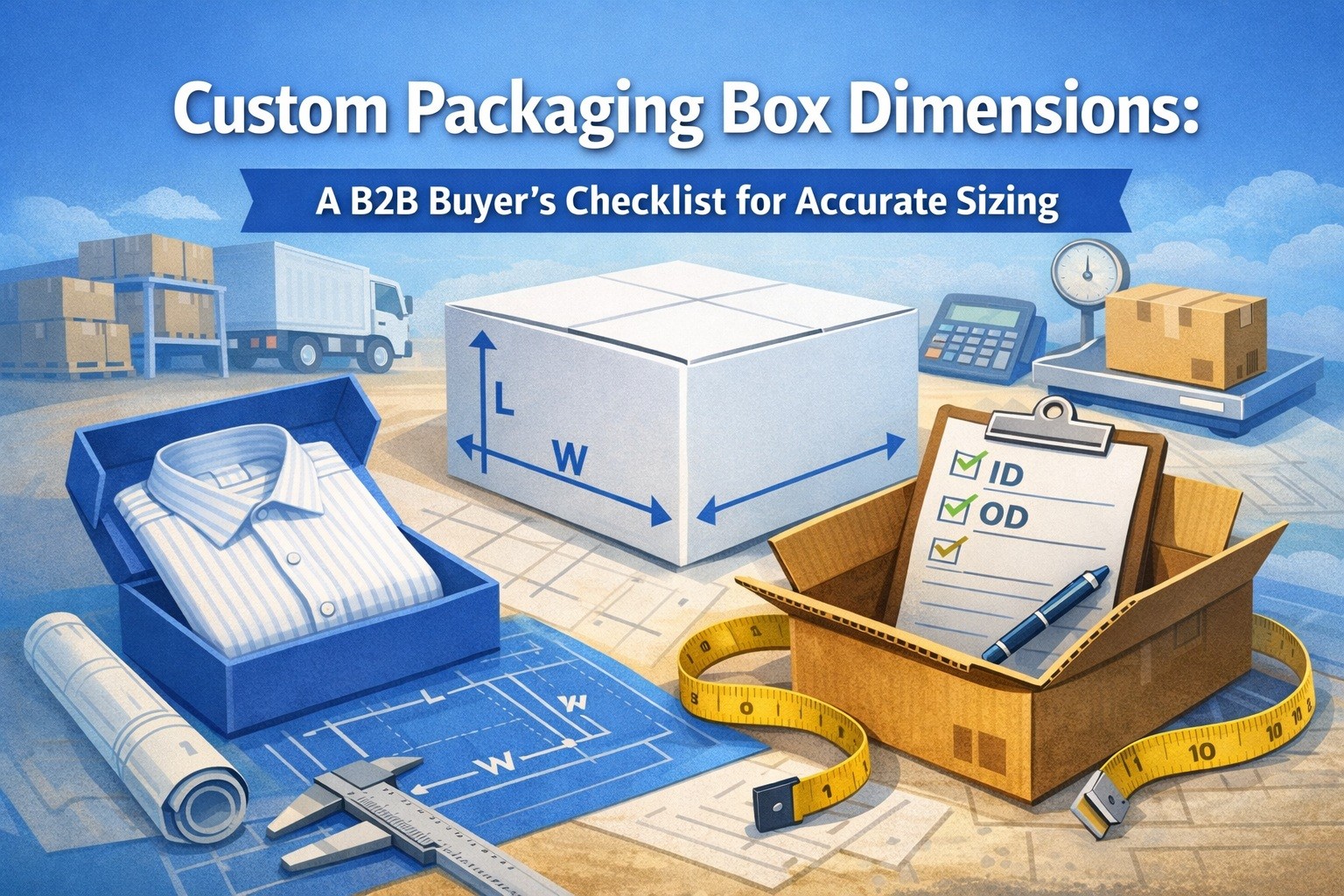
Pick the right structure
Mailer vs folding carton vs rigid, based on protection needs and brand level.
Reduce shipping waste
Right-sizing and strength selection to avoid dimensional-weight surprises.
Protect presentation
Simple inserts, tissue, and folding methods to keep garments crisp.
Source with confidence
RFQ checklist and spec template that manufacturers can quote accurately.
1) What matters most when mailing clothing
Clothing is lightweight compared with many products, but shipping issues are still common: crushed corners, scuffs, moisture exposure, excessive wrinkling, and “arrived messy” complaints. In most cases, the problem is not the garment—it’s the mismatch between box structure, strength, sizing, and internal packing method.
✓A practical priority order for apparel shipments
- Right-sized structure to prevent shifting and compression damage.
- Appropriate strength for your shipping distance and carrier handling.
- Surface protection for premium fabrics and sensitive trims.
- Fast, consistent packing that your team can repeat at scale.
- Brand presentation that stays clean throughout transit.
If you’re comparing structures across product categories, browse Custom Packaging Boxes for reference.
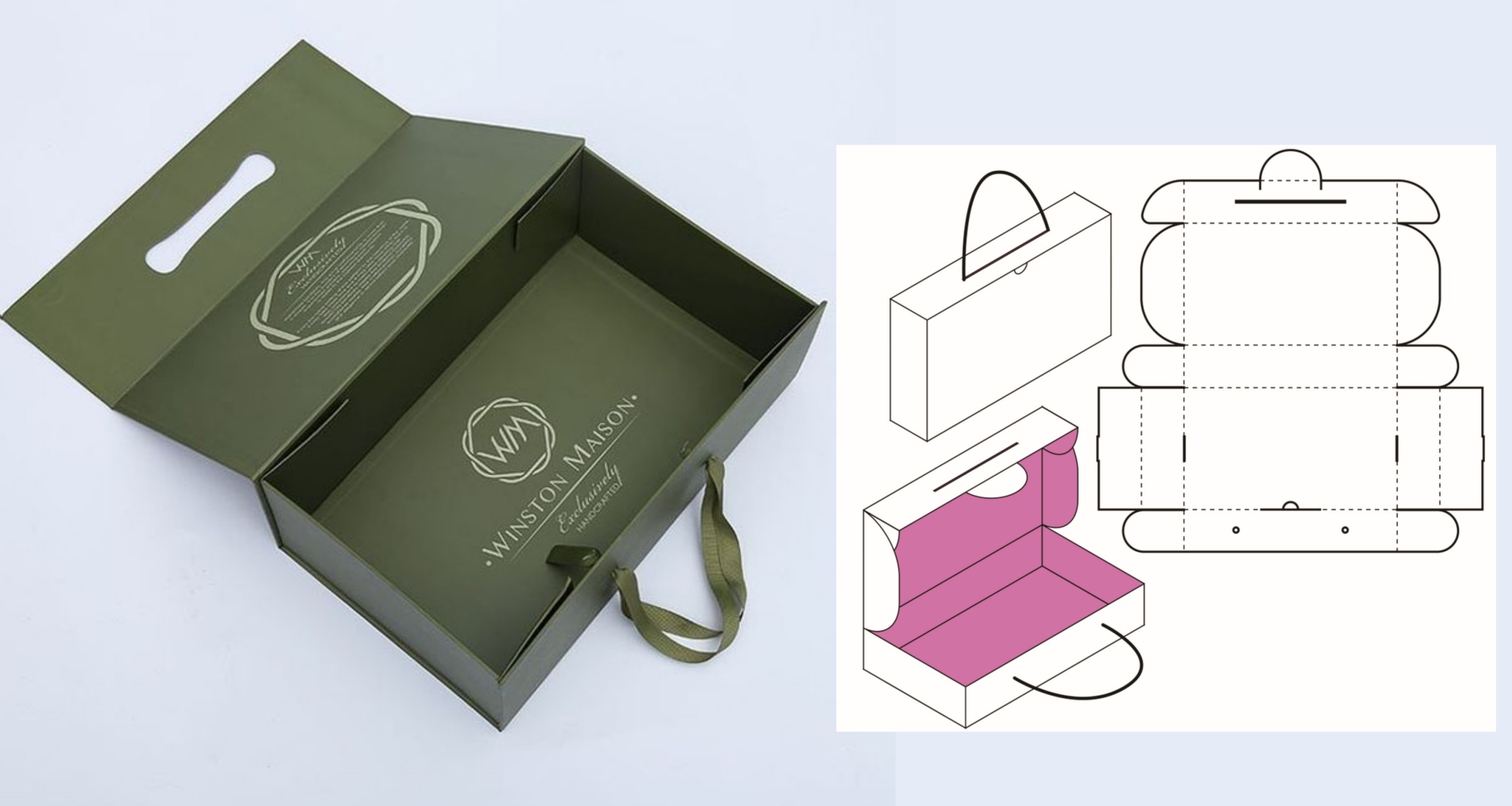
2) Best clothing packaging box solutions (and when to use each)
There is no single “best” box for every brand. The best solution depends on garment value, shipping distance, and the experience you want customers to feel. Below are the most common mailing-ready box options used by apparel brands.
| Box solution | Best for | Why buyers choose it | Key watch-outs |
|---|---|---|---|
| Corrugated Mailer Box | Most apparel shipments, DTC, subscriptions | Strong protection, easy packing, branding-friendly | Must right-size to avoid void fill and cost creep |
| Folding Carton (Reinforced) | Light garments, short transit, controlled handling | Clean presentation, efficient storage, good print | Not ideal for rough handling without strength upgrades |
| Rigid Box + Protective Shipper | Luxury apparel, gifting, VIP orders | Premium unboxing and reusability, strong brand signal | Higher cost and weight; needs an outer shipper for transit |
| Garment Set Box (Multi-piece) | Bundles, seasonal sets, corporate kits | Organized layout with dividers, premium kit feel | Requires clear packing SOP and insert planning |
✓Recommendation most B2B buyers start with
Start with a corrugated mailer box for mailing reliability, then upgrade the experience using printing, tissue, and inserts. Reserve rigid boxes for premium lines or gifting, ideally with an outer shipper to keep the rigid box pristine.
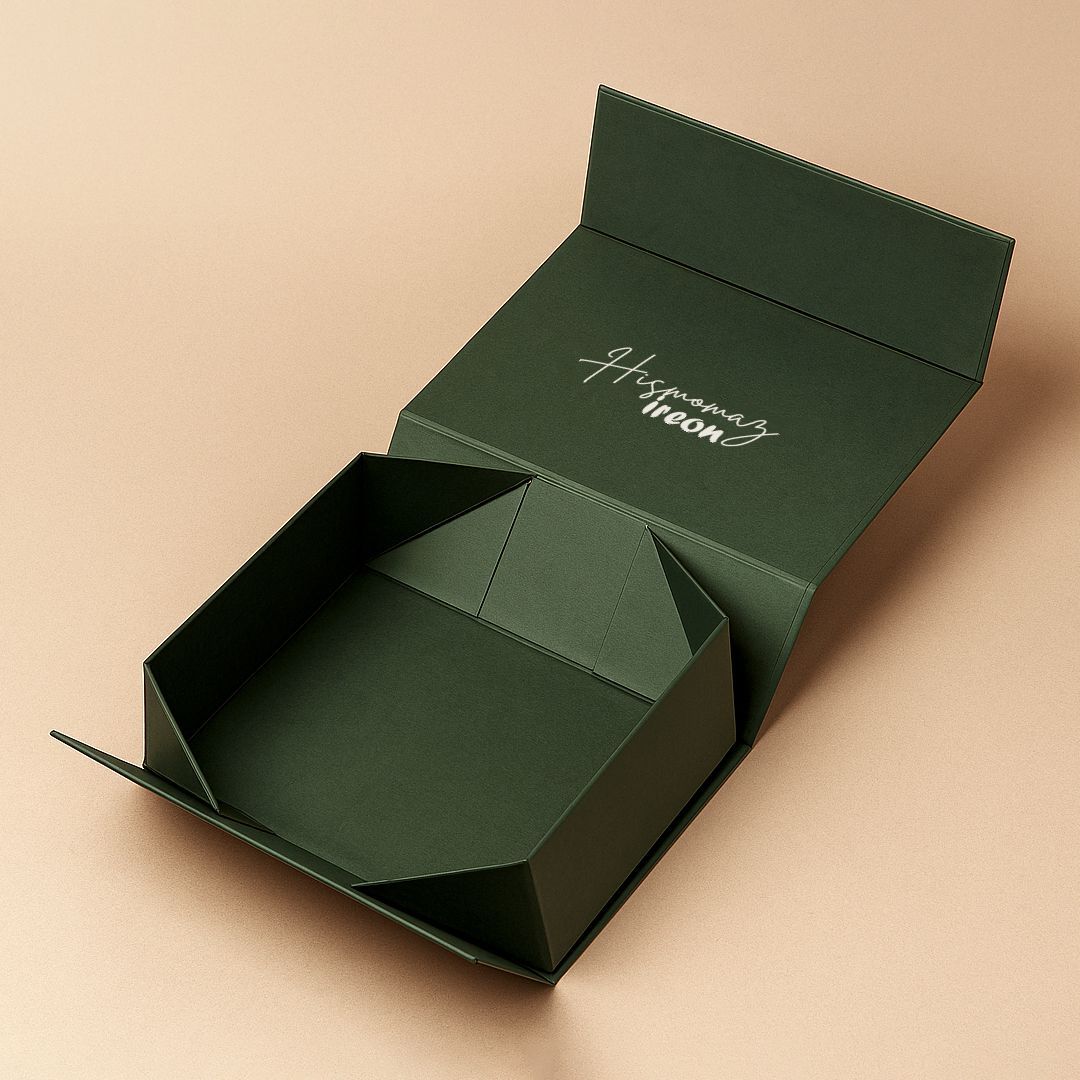
3) Sizing rules that cut damage and shipping cost
Apparel damage often comes from movement inside the box. Oversized boxes invite shifting and increase dimensional shipping costs. Undersized boxes create bulging, corner crushing, and hard sealing. The best approach is to size the box to the folded footprint, then confirm the final pack thickness including tissue, inserts, and any accessories.
!Common sizing mistakes that trigger returns
- Too much void → garments slide, fold lines shift, presentation degrades.
- Too tight → crushed corners, wrinkling, and poor opening experience.
- Ignoring accessories → belt buckles, buttons, zippers, and hangtags cause pressure points.
- No master carton plan → higher freight after scaling production.
| Garment type | Packaging goal | Suggested box approach | Internal protection |
|---|---|---|---|
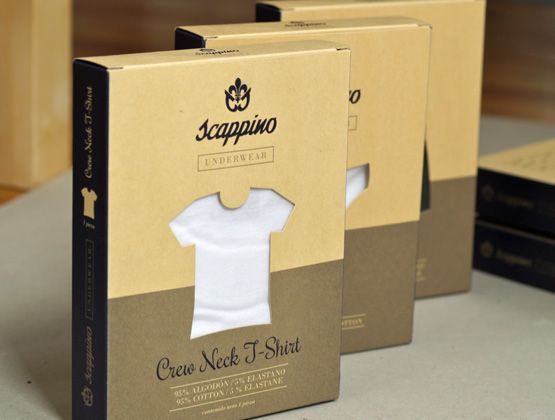
| T-shirts / knitwear | Cost efficiency + clean delivery | Right-sized corrugated mailer | Tissue paper or light sleeve |
| Shirts / blouses | Reduce creasing | Mailer or reinforced folding carton | Folding board + tissue |
| Denim / hoodies | High compression resistance | Stronger corrugated mailer | Minimal void fill, corner protection if needed |
| Luxury apparel / gifting | Premium presentation | Rigid box + outer shipper | Custom insert, tissue, dust bag |
Need a quick buyer-friendly check? See FAQ or send your target garment fold size via Contact. 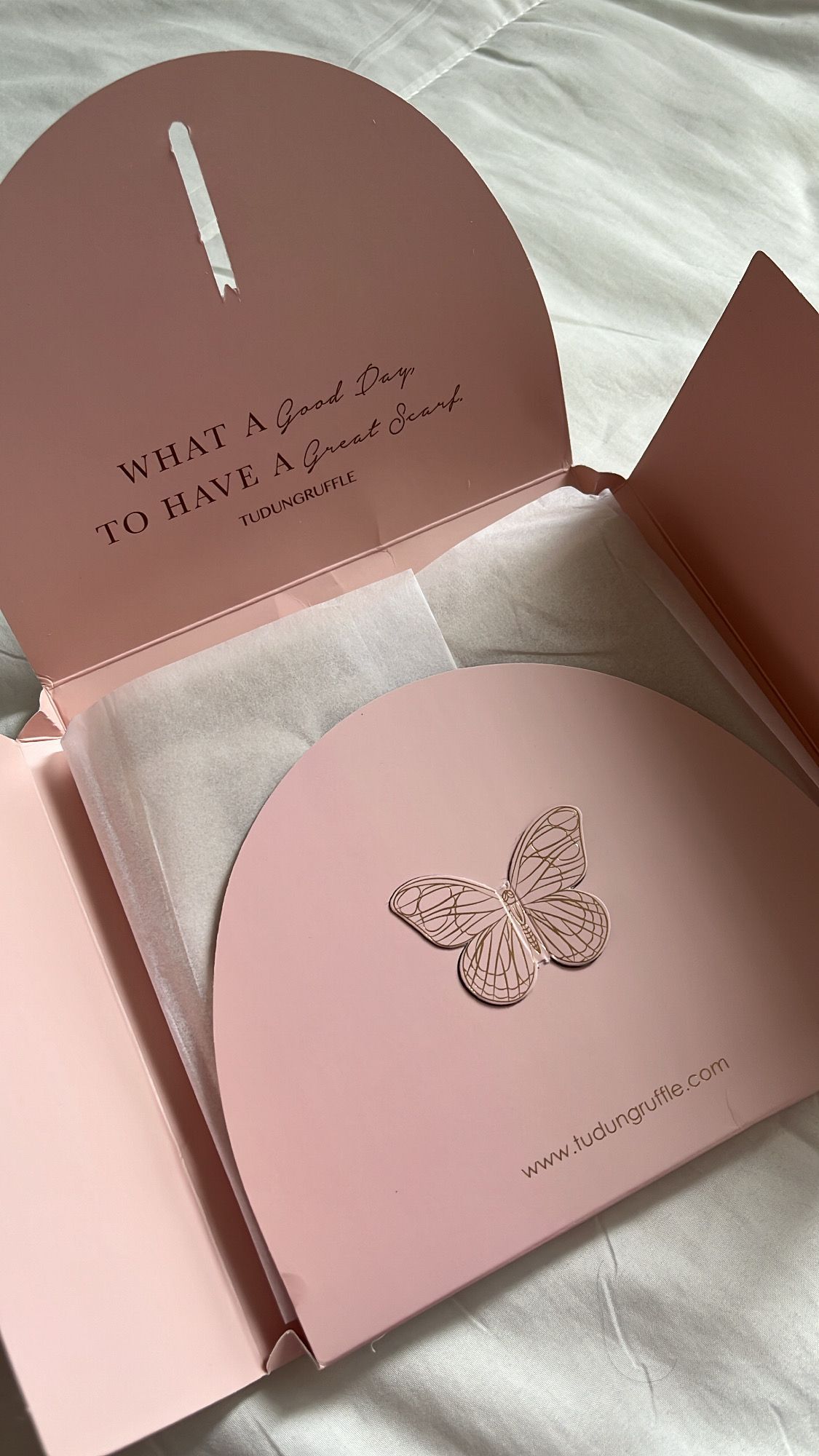
4) Material and strength basics for mailer boxes
A mailing box must survive real-world handling: drops, stacking, and conveyor pressure. Strength is influenced by board construction, box design, and sealing method. For apparel, a corrugated structure is often preferred because it combines light weight with strong compression resistance.
Board grade, flute profile, box style, and how well the pack is sealed matter more than “thicker is always better.”
Right-size first, then choose the minimum strength that reliably protects your shipment profile.
✓Buyer note on sealing
A good mailer box design should seal quickly and consistently. If your packing team struggles with sealing, transit damage risk rises—especially on heavier apparel bundles.
5) Internal protection: keeping garments crisp and clean
Internal protection does not need to be complicated. The goal is to preserve presentation while controlling packing time. Choose the lightest protection that prevents fabric scuffing, keeps folds aligned, and blocks dust or moisture transfer.
✓Simple packing upgrades that work at scale
- Tissue paper to reduce rubbing and add a premium feel.
- Folding board for shirts to maintain sharp edges and consistent folding.
- Paper sleeves to protect delicate surfaces and prevent snagging.
- Light dividers for multi-item kits to stop friction and shifting.
For brands shipping accessories with apparel (belts, hardware, jewelry pieces), consider adding separated compartments or a dedicated insert layout. DHP Boxes can recommend structures that protect mixed items without turning packing into a slow, manual process.
6) Branding and unboxing without compromising transit durability
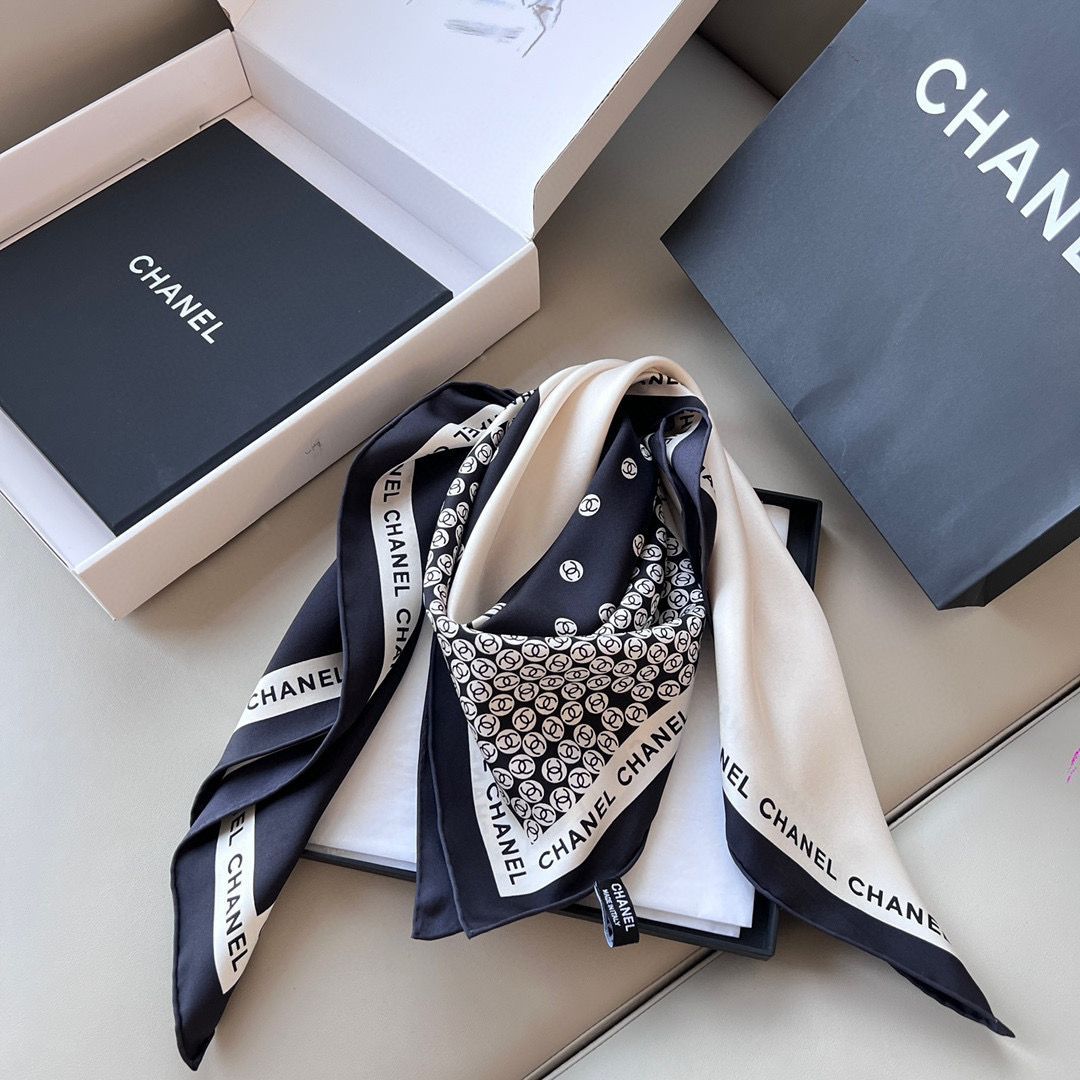
Unboxing is marketing, but mailing boxes must still look good after shipping. The best branding strategies for mailed apparel are designed to stay clean: controlled ink coverage, balanced contrast, and finishes that resist scuffing. Minimalist exterior design often performs better in the mail stream than overly complex graphics.
| Brand element | Best use | Why it works | Transit consideration |
|---|---|---|---|
| Logo + clean typography | Exterior | High recognition, low risk | Stays readable even with light scuffing |
| Interior message | Inside lid / inner panel | Premium surprise, not exposed to shipping wear | Protected from scratches during transit |
| Branded tissue or sleeve | Interior | Luxury feel with low cost | Controls garment movement and protects fabric |
| QR or care card | Insert / card | Upsell, care tips, community building | Keeps exterior minimal |
If your goal is to combine performance and presentation, start with a durable mailer box and upgrade the inside experience. This approach keeps the package shipping-ready while still delivering a premium brand moment.
7) Sustainable packaging choices for apparel shipping
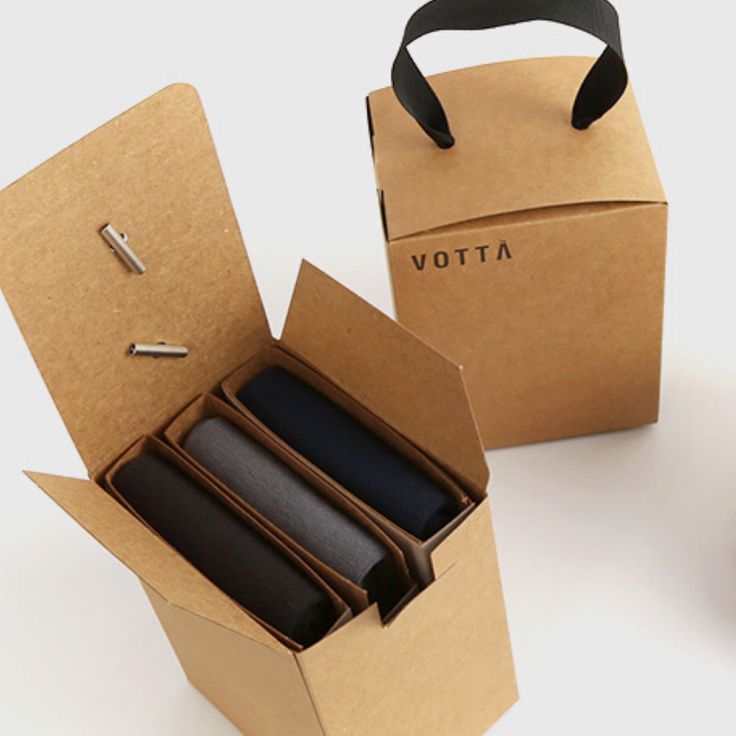
Sustainability expectations are now a mainstream buyer requirement. For mailed apparel, the most reliable sustainability wins are practical: reduce excess volume, choose recyclable paper-based materials, and avoid unnecessary mixed-material constructions when they don’t add protection.
✓High-impact sustainability moves that don’t weaken performance
- Right-size the box to cut material use and shipping emissions.
- Use paper-based protection (tissue, sleeves, dividers) where possible.
- Design for reuse on premium packaging where customers keep the box.
- Standardize a few sizes for efficiency without sacrificing fit.
For eco-focused options, explore Eco-Friendly Packaging.
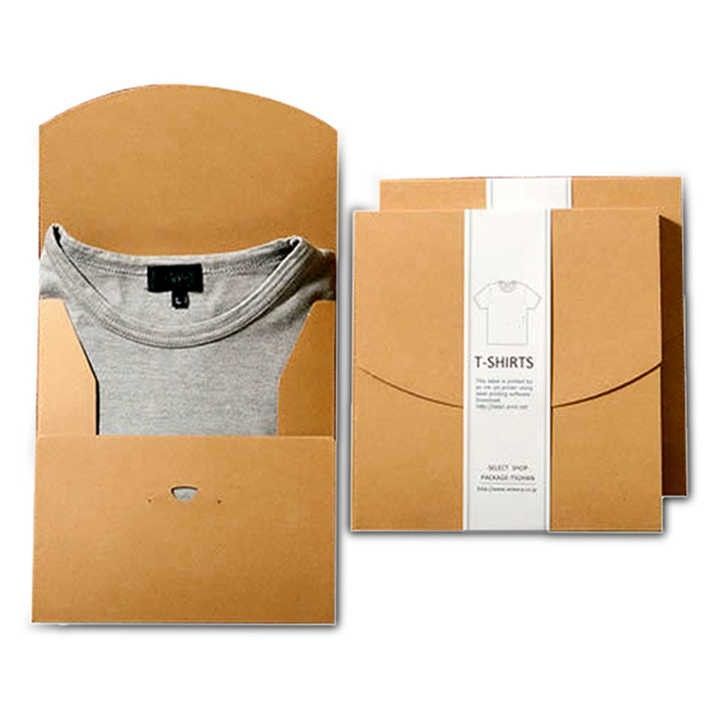
8) Factory-ready RFQ checklist + copy/paste spec template
Accurate quoting depends on clear inputs. Use this checklist to reduce sampling rounds and speed up supplier evaluation. If you want a recommendation, DHP Boxes can review your garment type and shipping profile to propose a production-safe structure.
!RFQ checklist (what buyers should provide)
- Garment type (shirt, hoodie, denim, luxury fabric) and any accessories included.
- Folded size target and preferred packing style (folding board, tissue, sleeve).
- Shipping profile (domestic/international, typical handling conditions).
- Brand level (standard mailer vs premium gifting) and printing needs.
- Quantity range and target lead time.
You can submit these details directly via Contact.
Need a mailing-ready apparel box recommendation?
Share your garment type, folded size, and shipping profile. DHP Boxes can propose a right-sized structure, strength level, and packing method that scales from sample to mass production.
9) FAQs
Are mailer boxes better than soft mailers for clothing? ⌄
For many apparel shipments, corrugated mailer boxes provide stronger protection against crushing and help garments arrive looking more presentable. Soft mailers may work for low-risk items, but boxes are often the safer choice for premium fabrics, structured garments, and multi-item orders.
How do I reduce wrinkles when mailing shirts? ⌄
Use consistent folding (often with a folding board), add tissue to reduce surface friction, and choose a box height that fits the folded thickness without compressing the garment. The goal is stable folds and minimal movement inside the box.
Should I choose internal or external dimensions for apparel boxes? ⌄
Use internal dimensions to ensure the folded garment fits well. If shipping cost and carton packing are important, confirm external dimensions too. Align both on the approved sample spec to avoid misunderstandings during mass production.
What is the best approach for luxury clothing gift packaging? ⌄
Many premium brands use a rigid box for the unboxing experience and place it inside an outer shipper for transit protection. This keeps the rigid box clean and prevents edge damage during shipping.
Can I keep the box minimalist and still look premium? ⌄
Yes. Minimal exterior printing with strong typography and a consistent brand mark often looks more premium in real shipping conditions. Upgrade the inside with tissue, a message panel, or a branded sleeve to create a better unboxing moment without risking exterior scuffs.
10) Why choose DHP Boxes
Mailing-ready clothing packaging needs more than good looks. It needs the right structure, stable quality, and repeatable packing performance. DHP Boxes supports apparel brands with custom packaging engineering, reliable production, and the ability to scale from sampling to mass production with confidence.
Explore capabilities on DHP Boxes, review buyer questions in FAQ, or send your requirements through Contact.