Packaging Lead Times: How Early Should You Place a Custom Box Order?
- Share
- publisher
- DHP Boxes
- Issue Time
- Sep 25,2026
Summary
Packaging lead times explained: every stage from sampling and production to inspection and freight, how structure and finishing change the schedule, peak-season congestion, and a month-by-month count-back plan from DHP Boxes.
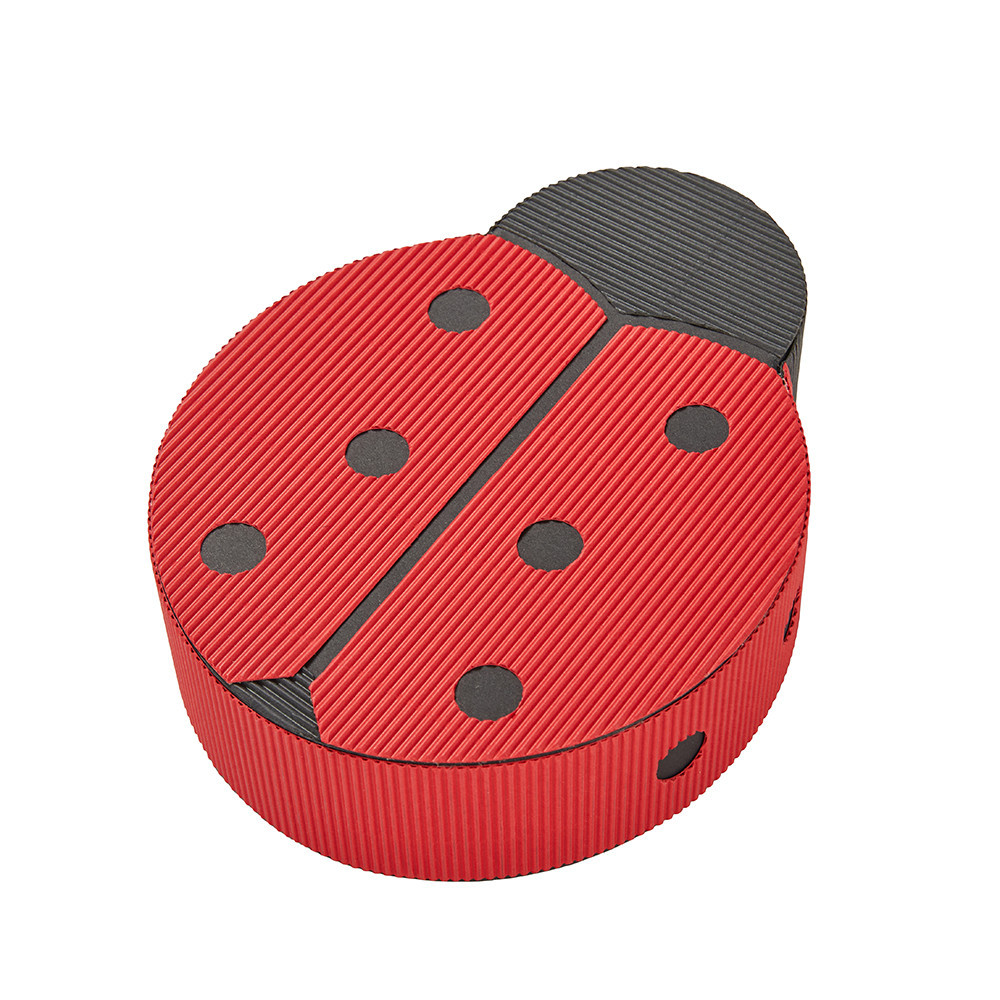
Packaging lead time is the total calendar span between placing a custom box order and having sellable cartons in your warehouse — not just the days the printing press runs. It is a chain of stages: structural proposal, dieline drawing, sample rounds, prepress, board and wrap sourcing, litho or flexo printing, surface finishing, die-cutting, hand assembly, quality inspection, export packing, freight and customs clearance. Every link has its own clock, and the slowest link sets your date.
For brands buying custom boxes wholesale, packaging lead time decides whether a launch lands or slips. In this 2026 guide, the team at DHP Boxes breaks the timeline down stage by stage, explains how structure, board and finishing change the schedule, shows how peak-season congestion reshapes factory capacity, and gives a month-by-month count-back plan.
What Makes Up a Packaging Lead Time?
Buyers often assume lead time equals production time. In practice, factory production is only the middle of the runway: roughly 40–50% of a program is spent before a sheet is printed, and transit sits after the last carton is sealed. Four blocks make up the full figure:
- Engineering block — structure proposals, dieline development, material recommendation and costed options.
- Sampling block — blank sample for fit, printed and finished pre-production sample for colour and effect sign-off.
- Manufacturing block — prepress, board and wrap procurement, printing, finishing, die-cutting, gluing, hand assembly and inspection.
- Logistics block — export cartoning, palletising, freight booking, sailing time, port handling and destination clearance.
Stage-by-Stage: How Long Each Step Really Takes
The table below is the working model our project managers use for a typical rigid or folding program. Ranges reflect complexity; ask your custom packaging manufacturer for the equivalent for your own specification.
| Stage | Typical duration | What drives the variation |
|---|---|---|
| Structural proposal & costing | 2–4 working days | Number of format options; insert engineering |
| Dieline drawing & approval | 2–3 working days | Client feedback speed; custom die requirement |
| Blank (white) sample | 3–6 working days | Hand-made vs. machine-formed prototype |
| Prepress & artwork checks | 2–4 working days | Colour separation, bleed and font availability |
| Printed & finished sample | 5–8 working days | Foil, emboss or spot UV trial runs |
| Board & wrap procurement | 3–10 working days | Stock vs. special-order fancy paper or leatherette |
| Printing | 2–5 working days | Litho sheet count; number of colours |
| Surface finishing | 2–4 working days | Lamination, foil stamping, embossing, UV varnish |
| Die-cutting & creasing | 2–4 working days | New die making vs. existing tooling |
| Hand assembly & gluing | 3–8 working days | Rigid box wrapping labour; insert fitting |
| Quality inspection (AQL) | 1–2 working days | Sampling level and batch size |
| Export packing & freight | 3–40+ days | Air vs. sea; port and clearance queues |
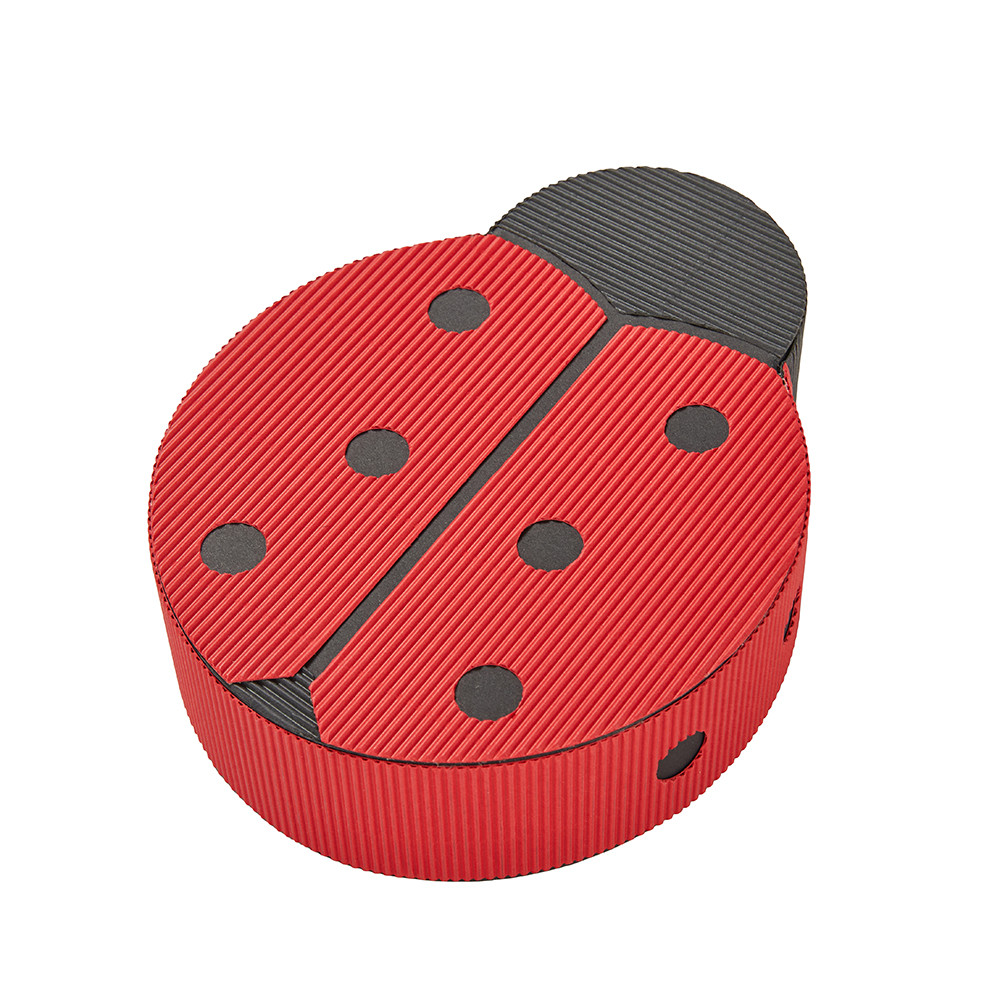
Is a Custom Packaging Lead Time Always 15 to 25 Days?
No, and any supplier who quotes one number for everything is simplifying. Our standard production window for a repeat-run folding carton typically falls inside 15–25 working days once artwork and sample are signed off, but that figure covers the manufacturing block only: it excludes sampling rounds, which can need a further 2–3 weeks for two physical approvals, and excludes ocean transit. Three variables push the number up fast:
- New tooling. A bespoke die, a custom mould for an insert or a magnetic-closure jig all need to be cut and proven.
- Complex finishing. Each additional pass — hot foil, debossing, spot UV — adds a station and its own make-ready.
- Assembly intensity. A hand-wrapped rigid box with a velvet-covered tray is built by people, not a single machine cycle.
Conversely, a two tuck end carton on existing tooling with a single matte lamination can clear production in under two weeks.
How Different Box Structures Change the Schedule
Structure is the biggest driver of assembly time: a folding carton pops up from a flat blank, while a rigid box is wrapped and formed piece by piece.
| Box structure | Relative assembly time | Impact on overall lead time |
|---|---|---|
| Two tuck end / straight folding carton | Fastest — automated gluing line | Shortest window; ideal for repeat runs |
| Window box / clear-window carton | Fast plus patching step | Slight addition for window material and registration |
| Corrugated mailer / shipping box | Fast on a flexo line | Low lead time but minimum run quantities apply |
| Collapsible rigid box | Moderate — machine-wrapped wrap | Mid-range; better freight profile than a fixed rigid |
| Magnetic closure box | Slower — magnet setting per piece | Magnet placement and flap alignment add days |
| Drawer / sliding box | Slower — sleeve and tray tolerances | Wrapping plus precise fit increase assembly time |
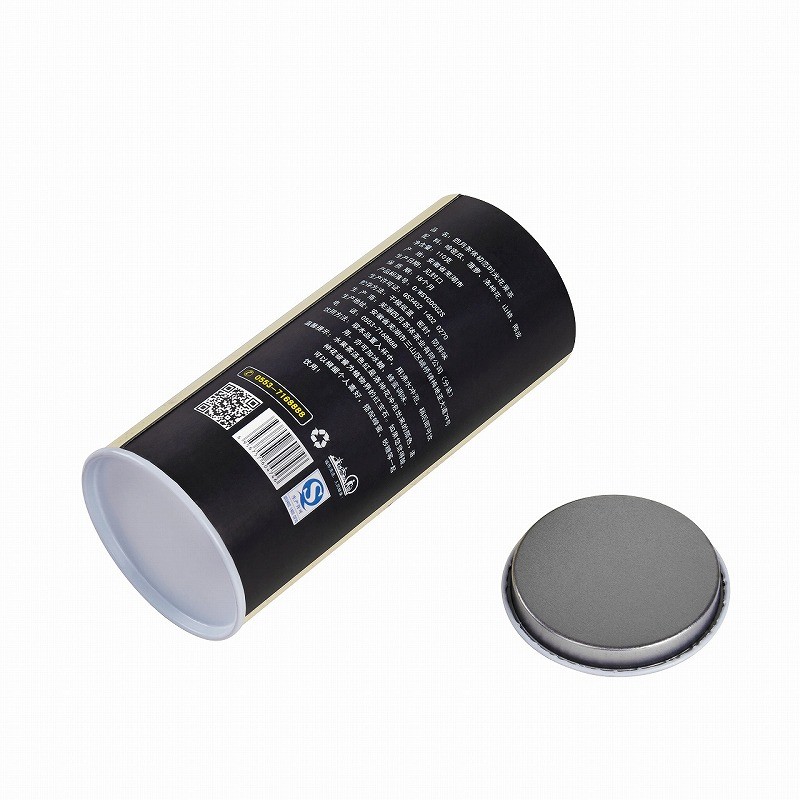
| Round tube box | Slow — cylindrical forming | Curl and seam work extend the window |
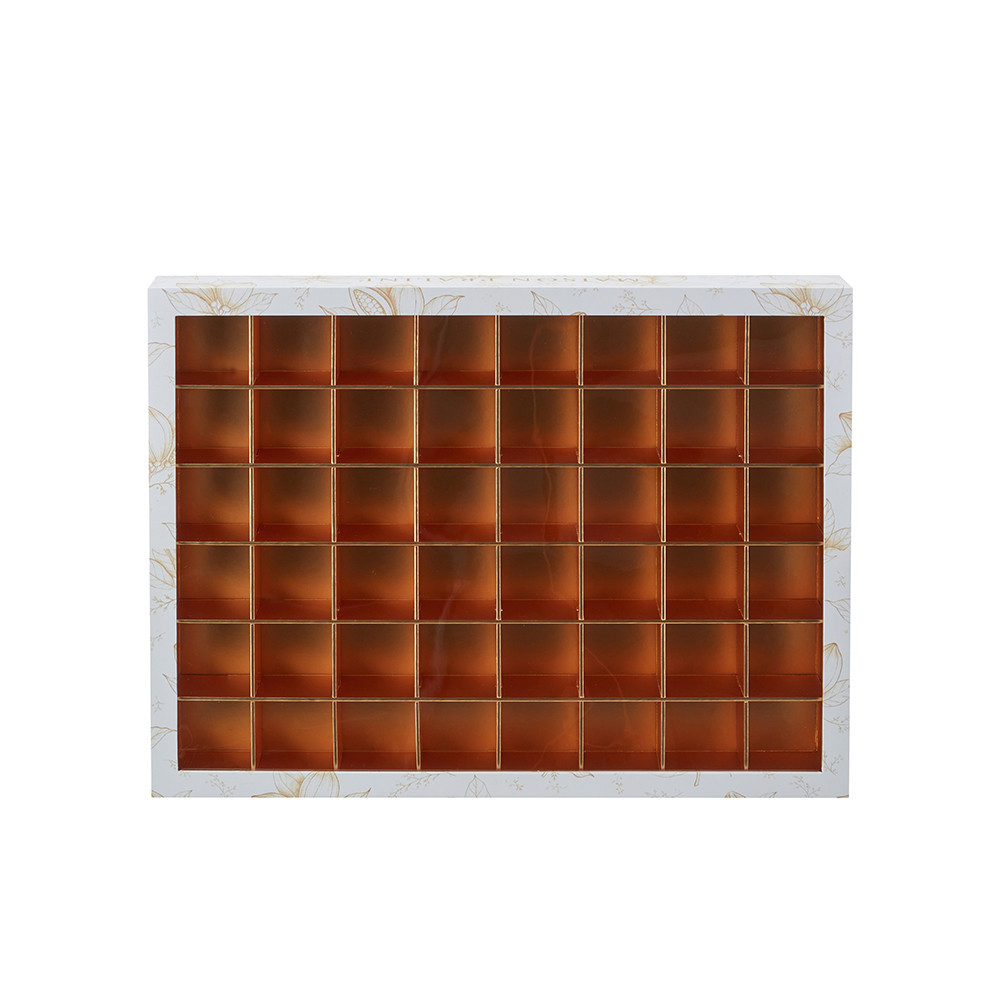
| Advent calendar / compartment tray | Slowest — many cavities per unit | Highest assembly labour of all formats |
Which Materials and Finishes Extend a Packaging Lead Time?
Special-order substrates are a hidden schedule risk. Duplex grey board, C1S and C2S art board, kraft liner board and standard laminating film are usually held in stock and drawn in a few days. Leatherette, pearl paper, gold and silver board paper, textured fancy paper and holographic foil are often bought in against the order, adding a week or more.
Finishing behaves the same way. Matte and gloss lamination are routine and anti-scratch matte lamination slightly longer, while each foil stamping, embossing or debossing pass adds a new make-ready and a curing step. Soft-touch lamination, spot UV and silk screen all add stations.
Why Do Peak Seasons Blow Up the Timeline?
Capacity, not capability, is what slows a factory in the fourth quarter. From late September, demand from gifting, cosmetics and confectionery brands collides with a finite number of press hours, die-cutting machines and hand-assembly benches, so queues form at every station. Three windows matter most for a China packaging factory:
- Black Friday through mid-December — e-commerce and retail drops peak in the same six weeks.
- Christmas gifting — rigid box and advent calendar programs consume the most hand-assembly labour of the year.
- Chinese New Year — the factory closes for roughly two to three weeks, and the weeks before and after are congested with catching up and clearing backlogs. Orders that land late January can lose a month.
A program that takes 18 working days in March can take 30 in November, and sea freight that sails in 25 days in spring can stretch well past 35 with holiday congestion at both ports.
What Actually Delays a Packaging Order?
Dos
- Confirm the dieline and artwork in one consolidated round of feedback.
- Send final product dimensions, weights and pack counts with the brief.
- Reserve capacity early and confirm the ship window in writing.
- Approve one printed sample rather than reopening the design mid-run.
- Book freight before production ends, not after it ships.
Don'ts
- Don't drip-feed artwork changes across several weeks.
- Don't switch to a special-order paper after the sample was approved.
- Don't assume a December order will get a March price or speed.
- Don't leave the insert cavity to be sized from a photo of the product.
- Don't treat sea freight as a fixed number of days.
Rejected batches add the largest single delay. A failed colour match, wrong paper material, a misprint, cracked folds, poor gluing, a detached window or a colour shift found at final AQL inspection mean rework or a re-run, costing two to four weeks in peak season. That is why inspection exists — catching a hickey or an ink-density drift early is far cheaper than catching it in a container.
How Can You Compress a Packaging Lead Time?
Almost every week saved comes from deciding faster and specifying realistically. Review these levers in order, because the earliest are the cheapest.
- Lock the brief once. A complete specification — dimensions, structure, board, wrap, finishing, insert, quantity and destination — can remove two planning rounds.
- Reduce sample rounds. Digital proofs plus one physical printed sample usually settle colour; three physical iterations can add three weeks.
- Choose stock materials. Standard grey board, art paper and kraft liner board avoid procurement waits.
- Trim finishing passes. Two deliberate accents can replace five effects and several days.
- Use existing tooling where possible. A new die takes time to cut and prove.
- Split the shipment. An air-freight first drop covers your launch while the sea container follows.
- Move to a collapsible rigid box or shipper-in-box. Flat-packed walls cut freight volume and often dock time too.
When Should You Place a Custom Box Order? A Count-Back Plan
Work backwards from the date the boxes must be in your warehouse, add the transit block, then sampling and production. The plan below assumes sea freight of roughly 30–35 days to the US or EU plus a buffer.
Six months out — brief and engineering
Brief the custom packaging manufacturer, agree structure and insert, receive costed options and confirm quantities and MOQ. Settle the art direction now.
Five months out — samples and sign-off
Blank sample for fit, then printed and finished sample for colour, wrap, foil position and emboss depth. Free samples make this round decisive rather than exploratory.
Four months out — release to production
Approve the pre-production sample, confirm dielines and issue the purchase order so capacity is booked before peak queues build.
Three months out — production and inspection
Printing, finishing, die-cutting and hand assembly run to the approved sample, with in-process checks and a final AQL audit before export packing.
For a Christmas program this means ordering between late June and August for a comfortable sea-freight arrival, and no later than early September with air freight as a fallback. For Black Friday, work back from mid-November and release production by early August. Spring and Valentine's ranges follow the same logic with a shorter runway.
How Does MOQ Interact With Packaging Lead Time?
Minimum order quantity and lead time pull in opposite directions, and understanding the trade-off helps you plan honestly. MOQ for a custom box typically starts in the low hundreds of pieces and rises to the low thousands for a rigid, hand-assembled format with foil and a moulded insert; OEM and ODM sit at the higher end because the structure itself must be developed. Below MOQ, factories still need a full make-ready — plates, dies, colour matching and press set-up — so fixed set-up work is spread over fewer units and small runs often carry a longer relative lead time. Above roughly 5,000 pieces, per-unit press speed improves, but hand-assembly capacity becomes the constraint and can extend the schedule in peak season. Splitting a large order into two batches can protect a launch date, at the cost of a second freight leg.
How to Confirm Lead Time With Your Supplier
A verbal "about three weeks" is not a plan. Ask for the schedule in writing:
- Break the quote down. Request separate figures for sampling, production and transit so the manufacturing block is visible.
- Confirm the start trigger. Lead time normally counts from approved sample and purchase order, not from first inquiry.
- Ask about the peak queue. A good supplier will flag congested weeks and offer an earlier slot.
- Request the inspection standard. Confirm AQL sampling to ISO 2859-1, usually 2.5 on a standard run, and who pays for rework.
- Settle compliance early. FSC documentation, water-based inks and adhesives, and moulded pulp inserts each need lead time of their own.
- Name one decision-maker. A single approver for colour and structure removes days from the front end.
Frequently Asked Questions
What is a normal packaging lead time for custom boxes?
Full production typically falls within 15–25 working days once artwork and samples are approved, with sampling adding roughly two to three weeks before that. Ocean freight then adds its own transit time, so the total is measured in months, not weeks.
Can I rush a custom box order in peak season?
Often yes, at a cost and subject to tooling. Press and assembly slots are allocated against confirmed orders, so an early release date plus air freight for a first drop is the most reliable route. Reopening a design mid-run defeats any rush schedule.
Do free samples add to the lead time?
They consume the sampling block, but rarely extend the total, because a confirmed physical sample prevents rework later. Free structural samples let you test the opening feel and insert fit before committing to a full run.
Why do rigid boxes take longer than folding cartons?
Rigid boxes are wrapped and formed by hand around a grey board core, and every magnet, ribbon and insert is set individually. Folding cartons are glued on automated lines from a flat blank, so assembly labour per unit is a fraction of that.
Does a bigger order always mean a longer lead time?
Not linearly. Set-up time is fixed, so per-unit time falls as volume rises on a continuously running press. Beyond a point, hand-assembly benches and finishing stations become the bottleneck — which is when splitting the order into batches protects the date.
Final takeaway: how DHP Boxes can help
Packaging lead time is a planning number, not a slogan. Add up engineering, sampling, production, inspection and transit; note that rigid formats, special-order stocks and multi-pass finishing push the date out; and assume peak-season queues in the fourth quarter. Then work backwards from your launch and order months ahead, not weeks.
DHP Boxes is a custom packaging manufacturer with two decades of experience producing rigid boxes, folding cartons, mailers and tube formats for brands worldwide — from custom logo boxes and private label runs to wholesale packaging boxes, with structural proposals, free samples and OEM/ODM support. Inspection follows the ISO 2859-1 AQL framework, and we work with FSC-certified papers, water-based inks and moulded pulp inserts where sustainability matters. Learn more about DHP Boxes, browse our packaging products, or read more manufacturing guides on our blog. To plan a schedule, send us an inquiry.