Luxury Watch Packaging: Custom Box Designs for Premium Watches
- Share
- publisher
- DHP Boxes
- Issue Time
- Oct 21,2026
Summary
A practical guide to luxury watch packaging from DHP Boxes: choosing lid-and-base, book-style magnetic or drawer structures, inserts that hold a heavy case, board and wrap materials, finishing that reads as premium, sampling, ISO 2859-1 AQL inspection, MOQ and lead time.
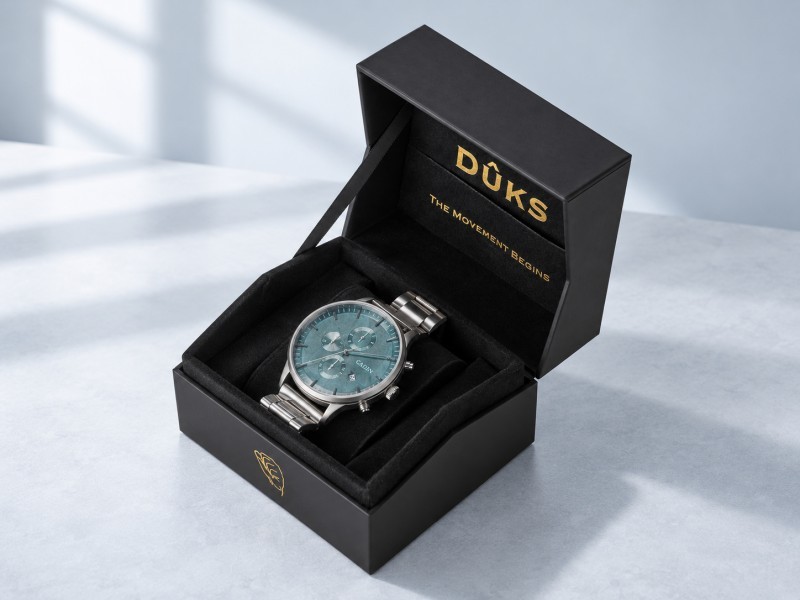
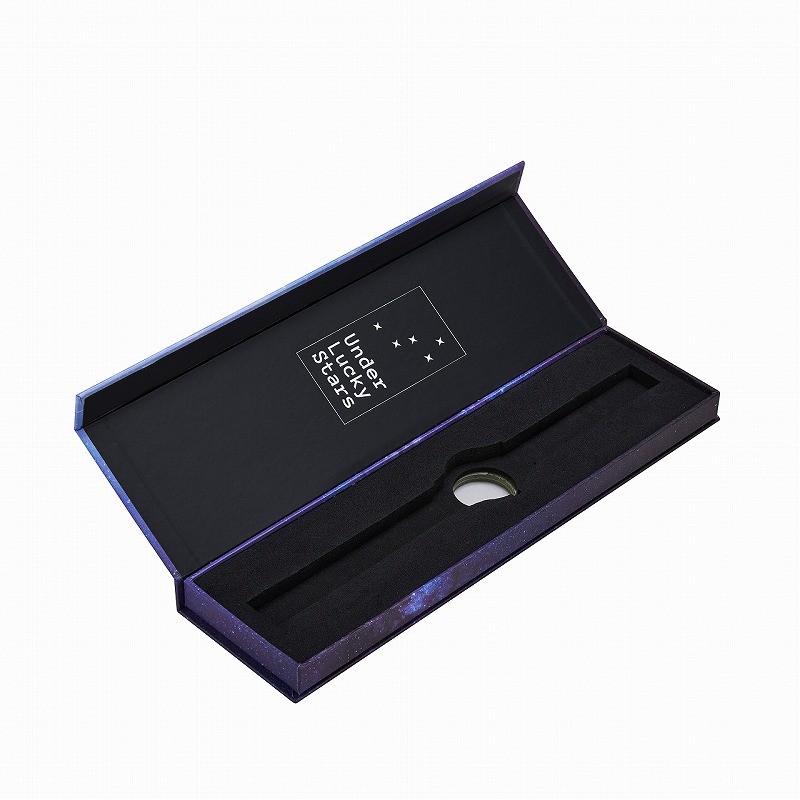
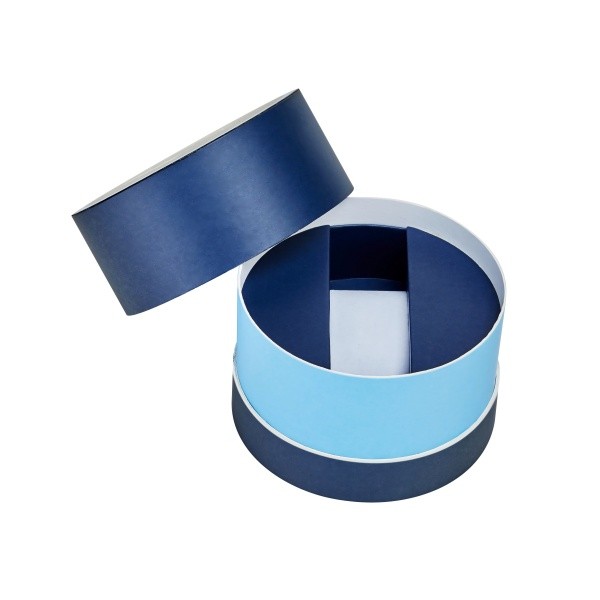
Luxury watch packaging is the box that has to justify the price tag before the strap is ever touched. A buyer opens the lid in a boutique or a hallway, and in that first second the box either continues the watch's story or interrupts it. The right box holds the case securely, presents the dial and strap at a readable angle, and lets the finishing carry the brand quietly. This guide is written by the team at DHP Boxes for watch brand owners, distributors and private-label sourcing managers. It covers the structures that work for single watches and collections, the materials that behave well in retail and transit, the insert engineering that keeps a heavy case still, the finishing that reads as expensive, and the sampling, AQL and MOQ decisions that decide whether the project lands on time. Luxury watch packaging is a rigid presentation box built around a timepiece rather than around a shelf slot. It solves three problems at once: a small, heavy, scratch-prone object; a strap that must keep its shape; and a brand promise that has to survive a boutique handover, a courier flight and a gift ritual. The format sits closer to jewellery packaging than to a printed carton. The board must be rigid enough that the lid does not flex when lifted by one corner, the interior soft enough that a polished case never touches paper, and the closure deliberate — a magnetic lid that shuts with a dull, heavy click says more than any logo print. The box has four jobs: protect the case, present the dial clearly, stage the opening, and hold up to a retail partner's sustainability requirements. Structure comes first, driven by piece count and opening context. For a first collection, the book-style magnetic box and the classic lid and base are the safest choices: both hand-wrapped rigid boxes on a 2mm greyboard core, both expensive-looking without extra mechanics. Drawers add theatre, but also assembly time and tolerance risk. A watch is an awkward object: heavy case on one end, flexible strap on the other, a buckle that scratches what it touches. The insert is usually a velvet or PU pillow, a velvet pad, a die-cut EVA cradle or a flocked greyboard tray — a choice that changes cost and experience. Pillows present a leather strap upright, which looks traditional. A flat cradle suits metal bracelets, because the watch lies open and its silhouette reads. Heavy cases need a multi-layer EVA and greyboard insert that stops rocking. Tolerances live here: 1mm in the cavity is invisible on a sample and obvious in production. Most watch boxes are a 2mm greyboard core wrapped in 157gsm coated art paper, lined inside. That sandwich gives the solid, slightly heavy feel buyers read as quality. The wrap carries the brand. Material drives print: dark textured wrap usually takes foil, since ink on leatherette loses contrast; light art paper carries CMYK, Pantone or soft-touch lamination. Three well-chosen passes beat six stacked ones. For watch packaging the reliable combination is an anti-scratch matte lamination, one foil stamp for the logo, and one emboss or deboss for the crest. Silver and gold foil are the classics; holographic foil suits limited editions because it shifts under spotlights. Blind deboss is quieter and cheaper for heritage brands. Spot UV can pick out a dial motif, though it shows fingerprints. Avoid stacking gloss lamination, spot UV and two foils on one panel — registration drift on a hand-wrapped box is far more visible than on a flat carton. The interior exposes cheap packaging. A good watch box uses a wrapped inner tray, not a raw greyboard edge; a lining bonded flat with no wrinkles or glue marks; and a ribbon pull so the tray lifts without nail marks. A warranty pocket needs its own die-cut slot. The tray sits on a shoulder that leaves a controlled gap, so the lid closes on air rather than a hard stop. A presentation box is rarely the shipping container. The usual build is a rigid box inside a corrugated mailer, with the watch immobilised against swinging straps, buckles pressing the crystal and lids creeping open in a hot container. Three measures solve most of it: hold the case on at least three sides, add a hidden magnet or ribbon tie so the lid cannot drift, and specify a snug drop-tested outer. For direct-to-consumer brands, a collapsible rigid box ships flat and is assembled at the warehouse — less freight, same boutique feel. Watch projects go wrong between a render and a production line. Our sequence: Brief and structure engineering The brand supplies watch dimensions, strap length, weight and opening intent; we confirm structure, board thickness, insert family and dieline. White sample and fit check A plain white sample proves the insert holds the real watch — the cheapest place to learn a bracelet needs 3mm more cavity width. Printed pre-production sample Artwork, wrap, foil, emboss depth and lamination are proofed on the final construction. Mass production and AQL inspection Printing, lamination, die-cutting, foil, wrapping and assembly run in sequence, then finished cartons are sampled against ISO 2859-1 AQL at a tighter luxury level. The defects that matter are rarely structural: corner wrap wrinkles, glue marks, off-register foil, a lid proud on one side, lifted lining. Put those on the checklist, not just print colour. Four inputs set most of the price: hand labour, wrap and lining, finishing passes, insert complexity. A lid and base box with a printed wrap and velvet pad is the accessible end; a magnetic book box with a multi-layer EVA insert, leatherette wrap and embossed crest the other. Tooling — box die, insert die, plates — is a one-off, normally quoted apart and retained for reorders, which is why the second run costs less. Freight is the last lever: a collapsible box ships flat. Custom watch boxes are hand-assembled, so the minimum reflects labour as much as material. Our working floor for a standard rigid box is around 500 pieces, with a printed sample and insert tooling first. Unit price falls steeply then flattens, so ask for a price ladder. For a launch date, work backwards from the shelf date: sampling one to two weeks, production two to five, ocean freight several more. The same problems recur — almost all decided before the purchase order. Do Don't Watch packaging has a hard sustainability brief, because luxurious materials — coated papers, foam, PU leather — complicate recycling. Keep the structure paper-based: FSC-certified art paper on recycled greyboard, a paper-pulp insert, water-based inks and a foil-free deboss. Where foam is needed for a heavy case, put a thin EVA layer under a paper tray rather than a solid block. Magnets must be removed before pulping, so some brands choose a friction-fit lid. It depends on structure, wrap, lining, finishing and insert. A lid and base box with a printed wrap and velvet pad is the most economical format; a magnetic book box with a multi-layer EVA insert, leatherette wrap, foil and emboss costs considerably more. Around 500 pieces for a standard rigid watch box. New insert tooling or heavy hand finishing may sit higher; a reorder on an existing die can go lower. One to two weeks for sampling, then roughly 15–25 working days after printed-sample approval, plus freight. Complex inserts and peak capacity are the usual delays. A pillow presents a leather strap upright, which looks traditional. A flat cradle suits metal bracelets, because the watch lies open and the case, bracelet and buckle all read. Send the real watch for the fit sample. Yes. We develop structures and inserts from a drawing or physical sample, prove them with a white sample, and work from supplied artwork or design in house. Luxury watch packaging works when structure, insert and finishing are decided together: start from the watch, choose a rigid box that opens into a readable stage, hold the case on three sides, and spend the finishing budget on one foil, one emboss and a good lamination. DHP Boxes is a custom packaging manufacturer in China producing rigid, magnetic book-style, drawer and tube boxes for watch, jewellery, wine and perfume brands worldwide, with in-house structure development, sampling, printing, finishing and AQL inspection. We support OEM and ODM projects, retain tooling for reorders, offer free white samples, and state MOQ, lead time and price tiers up front. Browse our packaging products, read more on the DHP Boxes blog, learn about our factory, or send us an inquiry with your watch dimensions, quantity and target date.What Is Luxury Watch Packaging — and Why Does It Matter More Than Other Gift Boxes?
Which Box Structure Fits a Single Watch, a Collection or a Gift Set?
Structure
Best for
What it does well
Lid and base box
Classic single-watch presentation
Strong and simple; the lid lifts clear for a clean reveal
Magnetic book-style rigid box
Long-strap watches, full-watch display
The watch sits flat so dial, case, strap and buckle are visible at once
Flap-lid rigid box
Retail counters and gifting
A hinged lid with an extend flap stays open while the customer looks
Drawer or sliding box
Premium unboxing
Two-stage reveal: the drawer slides out to expose the insert tray
Round tube box
Round cases, capsule editions
Cylindrical lid and base with a pillow insert
Multi-watch collection box
Two to eight pieces
Divided tray with individual cradles
Why Is the Insert the Hardest Part of a Watch Box?
Which Materials and Wraps Give a Watch Box Its Weight and Finish?

Which Finishing Techniques Make a Watch Box Look Expensive?
How Should a Watch Box Be Finished on the Inside?
How Do You Protect a Watch in Transit Without Making the Box Bulky?
How Are Custom Watch Boxes Sampled, Produced and Inspected?
What Drives the Cost of a Custom Watch Box?
What MOQ and Lead Time Should a Watch Brand Plan For?
Planning item
Typical range
What to confirm
Minimum order quantity
From about 500 pcs, standard rigid box
Whether insert tooling changes the floor
Sampling
White, then printed pre-production sample
Whether the charge is credited
Production lead time
Roughly 15–25 working days after approval
The clock starts at approval, not inquiry
Tooling
Box die, insert die, printing plates
Whether tooling is held for reorders
Inspection
ISO 2859-1 AQL, tighter for luxury
Defect classes and report
Freight
Assembled or flat-packed
Carton count, pallet height, dimensional weight
What Are the Most Common Watch Packaging Mistakes?
How Can Watch Packaging Be Premium and More Sustainable?
Frequently Asked Questions
How much does a custom luxury watch box cost?
What is the minimum order quantity for custom watch boxes?
How long does production take?
Should the watch sit on a pillow or lie flat?
Do you offer OEM and ODM watch packaging?
Final takeaway: how DHP Boxes can help