How to Choose a Custom Rigid Box Manufacturer in China
- Share
- publisher
- DHP Boxes
- Issue Time
- Oct 8,2026
Summary
Learn how to choose a reliable custom rigid box manufacturer in China. Compare factory capabilities, samples, quality control, materials and sourcing criteria.

How to Choose a Custom Rigid Box Manufacturer in China
Finding a reliable custom rigid box manufacturer in China requires more than comparing quotations. Learn how to evaluate factory capabilities, structural engineering, sampling, printing, quality control, certifications and export readiness before placing your packaging order.

How Do You Choose a Reliable Rigid Box Manufacturer in China?
Choose a custom rigid box manufacturer in China that can demonstrate real production equipment, structural design capability, physical sampling, material and printing expertise, documented quality control and international shipping experience. Ask for factory photos or a live factory tour, review relevant finished-box samples, confirm specifications and obtain a detailed quotation. A reliable supplier should explain how your box will be manufactured, inspected and packed—not simply offer the lowest price.
Why Source Custom Rigid Boxes from China?
China is an important manufacturing destination for custom rigid packaging because buyers can source structural development, printed wrapping materials, surface finishing, custom inserts and box assembly through specialized packaging manufacturers.
A rigid box, also called a set-up box, is typically constructed from thick paperboard or greyboard wrapped with printed or decorative material. Unlike a conventional folding carton, a standard rigid box is designed to maintain its assembled shape. Collapsible rigid boxes are a separate construction that can reduce shipping volume.
Custom rigid packaging is commonly used for cosmetics, perfumes, jewelry, watches, spirits, electronics and premium gift sets. Each application requires a different balance of structural strength, visual presentation, product protection and manufacturing cost.
However, not every Chinese packaging supplier has the same manufacturing capabilities. Some specialize in folding cartons or corrugated boxes, while others focus on rigid box engineering and assembly. Buyers should confirm that the supplier's equipment and experience match the required structure.
7 Criteria for Choosing a Custom Rigid Box Manufacturer
Use the following seven criteria to compare potential suppliers before approving a sample or committing to production.
Real Factory Capability
Confirm access to printing, die-cutting, rigid box forming, assembly and inspection operations. Ask which processes are performed in-house and which are subcontracted.
Structural Development
Evaluate whether the supplier can develop dielines, calculate product clearance, recommend board thickness and engineer inserts for protection and presentation.
Physical Prototyping
Request white samples to verify construction and printed samples to assess color, materials, finishing and the final opening experience.
Material & Finishing Knowledge
A capable manufacturer should explain greyboard, specialty paper, printed wraps, inserts, foil stamping, embossing and other finish options.
Documented Quality Control
Check incoming material inspection, in-process checkpoints, final product acceptance criteria and how defects are recorded and corrected.
Verifiable Documentation
Ask for relevant certifications, test reports and material declarations, then verify their scope, validity and applicability to your actual packaging order.
Communication & Export Planning
Confirm technical communication, production milestones, packing method, shipping terms, inspection arrangements and issue-resolution procedures.
How to Verify That a Packaging Supplier Is a Real Manufacturer
A professional website and product catalog do not, by themselves, establish whether a company manufactures packaging. Before selecting a supplier, ask for evidence that connects the company to its claimed production capabilities.
Useful evidence includes factory workshop photos, equipment videos, sample-development areas, production-line footage, quality inspection procedures and the opportunity to arrange a factory visit or live video walkthrough.
For rigid box manufacturing, relevant equipment may include offset printing presses, die-cutting machines, rigid box forming machines, gluing equipment, foil stamping machines and sample-making equipment. The exact equipment mix depends on the manufacturer's specialization.
Ask the supplier to show how a similar box structure is produced. For example, a magnetic book-style box and a complex double-door presentation box may require different assembly operations, tolerances and manual finishing.
It is also useful to ask which operations are outsourced. Subcontracting a specialized process is not automatically a problem, but the supplier should explain how outsourced work is controlled and how the final quality standard is maintained.
Buyers evaluating DHP can review its publicly presented rigid box manufacturing facilities and equipment.
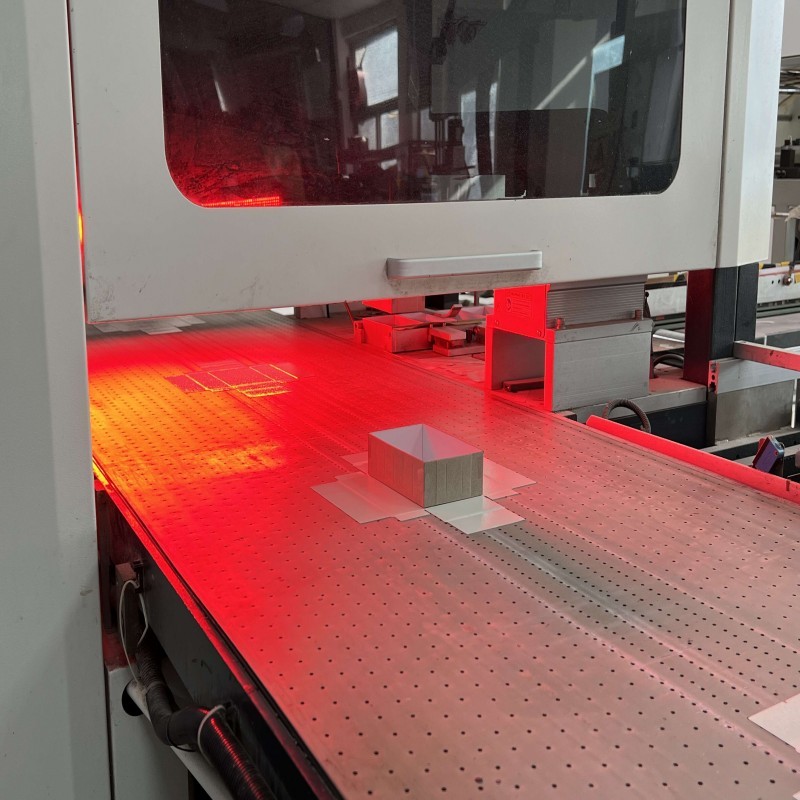
Why Structural Engineering Matters More Than Appearance Alone
A luxury packaging box can look excellent in a rendering yet fail during actual use if the dimensions, closure, insert or board structure are unsuitable. Structural engineering should begin with the product—not just a reference photograph.
A reliable custom rigid box manufacturer should consider the product's actual dimensions, weight, fragile areas, accessories, intended opening experience and distribution conditions.
Key Structural Questions
- Will the product fit securely without excessive pressure or unwanted movement?
- Does the greyboard provide adequate rigidity for the box size and weight?
- Will the lid open and close smoothly after the outer paper and inner lining are applied?
- Does the insert support the product in the correct orientation?
- Can the structure be assembled consistently during mass production?
- Can the finished box withstand the intended handling and shipping conditions?
Common rigid box structures include magnetic closure boxes, drawer boxes, book-style boxes, lid-and-base boxes, shoulder-and-neck boxes, collapsible rigid boxes and double-door gift boxes.
For example, a heavy glass perfume bottle may need a secure fitted insert and stable base, while a jewelry box may prioritize delicate product positioning and a refined opening experience. The manufacturer should recommend the structure according to these differences.

Evaluate Materials, Printing and Finishing Together
Premium packaging depends on how the board, wrapping material, printing and surface finishing perform as a complete system.
Greyboard and Wrapping Paper
Rigid boxes commonly use dense greyboard as the structural core. The appropriate board thickness depends on box dimensions, weight, geometry and the required strength. Selecting thicker board without considering the structure can add unnecessary material and shipping cost.
Exterior wrapping options may include coated art paper, textured specialty paper, colored paper, kraft paper, fabric or leatherette materials. Each creates a different appearance and may require different production handling.
Printing and Brand Color
Offset printing is commonly used for detailed printed wrapping paper. Digital printing can be useful for samples and shorter runs. CMYK and Pantone spot colors should be selected according to the artwork and the required color standard.
Color can change in appearance when the same artwork is printed on different paper surfaces. Buyers should confirm the substrate and surface finish when approving important brand colors.
Premium Finishing
Foil stamping, embossing, debossing, Spot UV and lamination can enhance visual and tactile presentation. However, not every finish is compatible with every material or design. Ask the manufacturer to assess fine lines, textured surfaces, registration requirements and finishing tolerances before finalizing artwork.
Custom Inserts
Paperboard, EVA foam, sponge, molded pulp, fabric-covered trays and other insert solutions serve different needs. The correct insert should secure the product, support presentation and fit the brand's budget and material preferences.
For additional information about DHP's available processes, see its custom packaging capabilities.
Why You Should Request a Physical Sample Before Mass Production
A supplier's ability to produce a sample is an important part of the evaluation process. It allows the buyer to test the box rather than relying only on a 3D rendering.
| Sample Type | Main Purpose | What to Check |
|---|---|---|
| White Sample | Validate structure before decorative printing | Dimensions, product fit, opening, insert position, clearance and construction |
| Printed Sample | Review visual presentation | Artwork position, printed colors, paper, finishes and appearance |
| Production-Representative Sample | Confirm the agreed manufacturing specification | Approved materials, construction, printing process, finishing and acceptance requirements |
A digitally printed prototype may not reproduce the color of a later offset-printed order exactly. Ask whether the sample is being approved for structure, appearance or final mass-production color.
Once a sample is approved, record the final dimensions, materials, finishes, insert configuration and acceptance criteria in writing. This reduces misunderstandings when production begins.
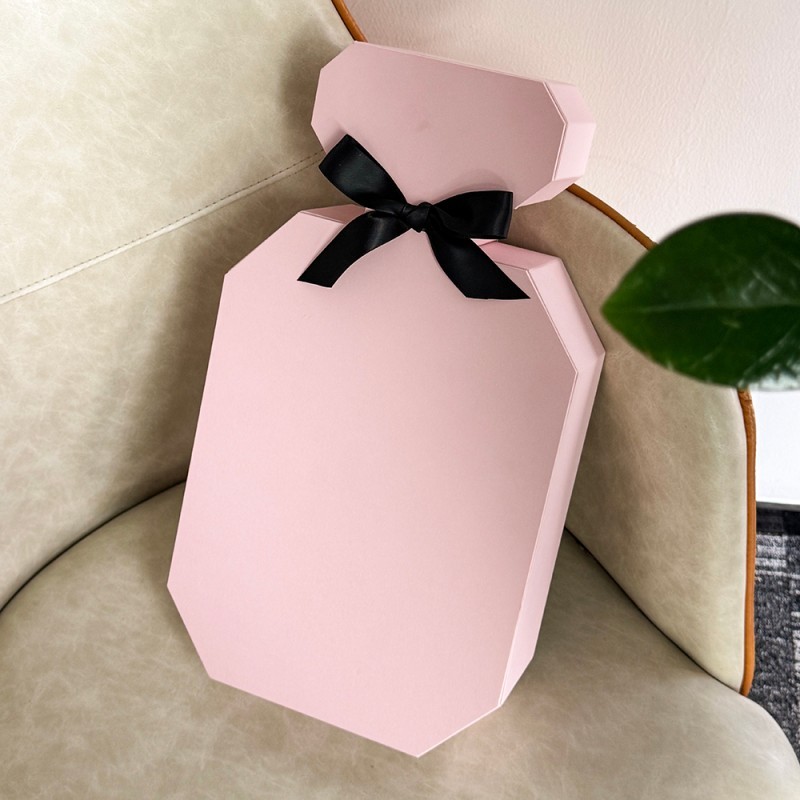
How to Evaluate Rigid Box Quality Control
Quality control should be visible throughout manufacturing, not limited to a final visual inspection. A reliable factory should be able to explain where defects can occur and how they are identified before shipment.
Incoming Material Inspection
Check paper and greyboard against agreed specifications, including visible defects, material consistency and suitability for production.
Printing and Color Control
Compare important printed colors and graphics with the approved standard. Monitor registration, ink coverage and visible printing defects.
Structural and Assembly Inspection
Check dimensions, corners, wrapping alignment, glue marks, lid movement, magnets and other closure mechanisms.
Insert and Product Fit
Confirm that the insert is correctly positioned, securely assembled and able to hold the intended product as specified.
Final Inspection and Packing
Verify finished appearance, quantity, labeling and export-carton protection against the agreed order requirements.
Ask suppliers how they define acceptable variation. For critical dimensions or colors, a general promise of “high quality” is less useful than an agreed inspection method and reference sample.
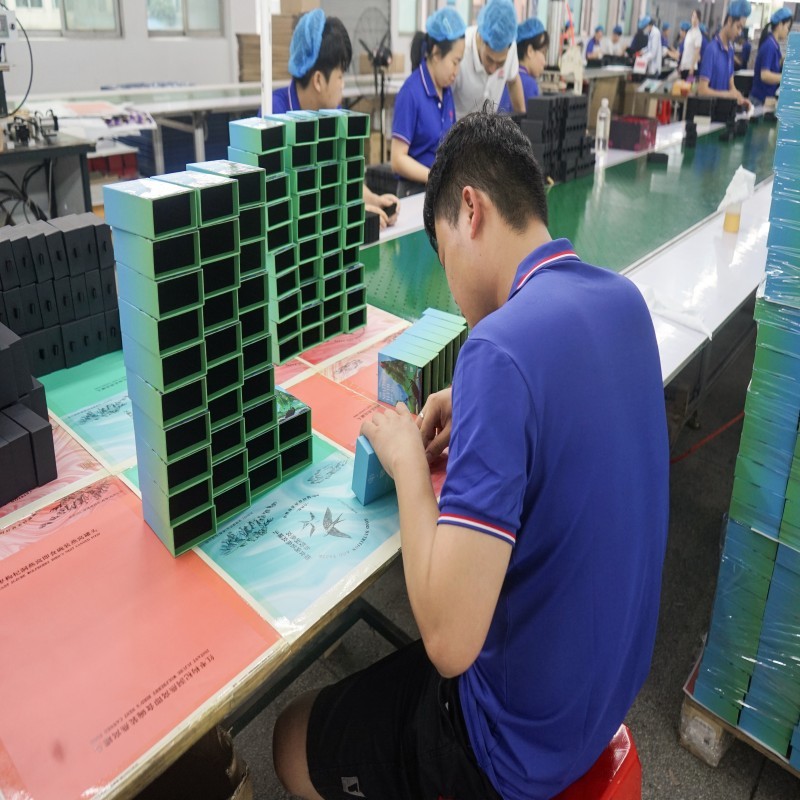
Which Certifications and Compliance Documents Should You Check?
Certifications can provide useful evidence, but buyers should not assume that one certificate proves every product or material complies with every market requirement.
Depending on the project, suppliers may be asked about ISO 9001 quality management, FSC chain-of-custody claims, social compliance assessments, material test reports or product-specific requirements.
Before relying on any document, verify the legal entity, certificate number, validity period, scope and issuing organization. For FSC-related claims, also confirm that the relevant materials, supply chain and transaction documentation support the specific claim being made.
For products sold in regulated markets, the necessary testing or documentation depends on the intended use. Packaging for food, cosmetics, electronics and other categories may have different requirements. A general factory certificate should not replace product-specific compliance verification.
Buyers should request current supporting documents for their particular project rather than relying on website statements alone.
Custom Rigid Box Manufacturer Evaluation Checklist
Use this table when comparing two or more packaging suppliers. The strongest choice is the supplier that can substantiate the capabilities most relevant to your project.
| Evaluation Area | Evidence to Request | Warning Sign |
|---|---|---|
| Factory Identity | Factory location, legal entity, equipment photos or visit | Unclear manufacturing location |
| Relevant Experience | Comparable physical samples and construction details | Only unrelated product images |
| Engineering | Dielines, prototypes, insert recommendations | No structural questions before quotation |
| Materials | Paper, board and insert specifications | Vague descriptions such as “best quality” |
| Printing | Print method, color reference and finishing specification | No clear color approval process |
| Quality Control | Inspection criteria and relevant QC records | No defined acceptance standard |
| Compliance | Current certificates and applicable test reports | Unverifiable or unrelated documents |
| Quotation | Quantity, specifications, tooling, packing and terms | Unclear inclusions or exclusions |
| Export Delivery | Shipping terms, carton details and timeline | No packing or shipment plan |
What Information Should You Send for a Custom Rigid Box Quotation?
A complete request for quotation (RFQ) allows different manufacturers to price the same specification. Without this information, quotations may not be directly comparable.
- Product details: product type, dimensions, weight and fragile areas.
- Box dimensions: required internal dimensions or a physical product sample.
- Box structure: magnetic, drawer, book-style, lid-and-base, double-door or another design.
- Material preferences: greyboard, wrapping paper, lining and sustainability requirements.
- Printing: artwork files, CMYK or Pantone references and brand guidelines.
- Surface finishing: foil stamping, embossing, debossing, Spot UV or lamination.
- Insert: EVA, paperboard, sponge, molded pulp or other product supports.
- Quantity: estimated order quantity and expected repeat-order volume.
- Delivery: destination, required date and preferred shipping terms.
- References: photographs, sketches, dielines or existing packaging samples.
Ask the manufacturer to identify any missing information and suggest alternative structures or materials where appropriate. A technically informed quotation is more useful than a low unit price based on assumptions.
DHP Boxes: A Custom Rigid Box Manufacturer in China
DHP Boxes specializes in custom rigid boxes and luxury paper packaging for brands in industries including cosmetics, perfume, jewelry, watches, wine and spirits, and premium gifts.
Our manufacturing capabilities cover structural design, physical prototyping, printing, surface finishing, die-cutting, rigid box assembly, quality control and delivery preparation. These interconnected stages help buyers develop packaging around their actual products rather than choosing from fixed box sizes alone.
DHP's published equipment showcase includes printing presses, automatic rigid box making machines, die-cutting equipment, gluing machines, hot foil stamping equipment and sample-making machinery. Production methods combine equipment-based processes with skilled assembly for different box structures.
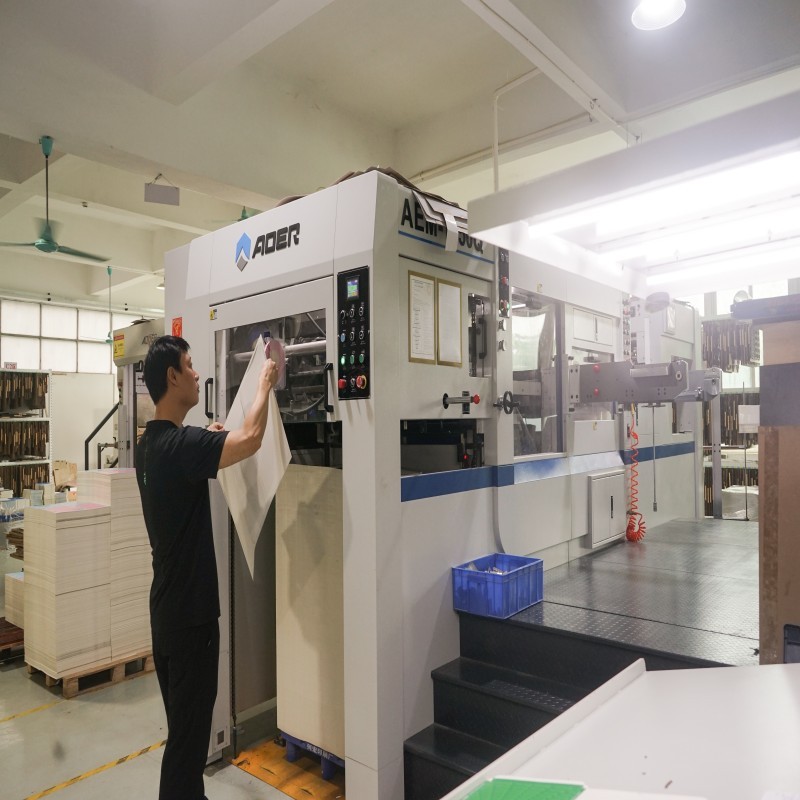
We support custom magnetic closure boxes, drawer boxes, book-style boxes, lid-and-base boxes and more complex presentation structures. Packaging specifications can include custom greyboard thickness, specialty wrapping paper, printed graphics, foil stamping and fitted product inserts.
For product protection and presentation, available insert options include paperboard, EVA, sponge and other materials selected according to the product's dimensions, weight and handling requirements.
Buyers can explore our luxury packaging manufacturing solutions and factory capabilities to understand available structures and production processes.
What Buyers Can Discuss With DHP
- Structural development: box dimensions, opening style, lid clearance and product positioning.
- Material selection: rigid greyboard, specialty wrapping papers, liners and inserts.
- Brand presentation: printing, color matching, foil, embossing and surface effects.
- Prototyping: white samples and printed samples for technical and visual approval.
- Production planning: manufacturing feasibility, quantity, QC requirements and shipment preparation.
Final material specifications, sampling requirements, production timelines and commercial terms are confirmed for each individual project.
Common Mistakes When Sourcing Rigid Boxes from China
Choosing Only by Unit Price
A lower quotation may reflect different materials, simpler construction, fewer finishing operations or excluded costs. Compare quotations using identical specifications and commercial terms.
Approving a Rendering Instead of a Physical Box
Renderings help communicate design, but they cannot fully confirm lid fit, opening movement, insert pressure or material feel. Physical samples remain important for custom rigid packaging.
Ignoring the Insert Until the End
Developing the outer box without considering the product insert can cause fit problems and unnecessary redesign. The insert should be planned alongside the structure.
Not Defining a Color Standard
Digital artwork, printed samples and mass production can differ. Define what constitutes an approved color and confirm the material and printing method.
Overlooking Shipping Protection
Premium finished boxes can be damaged by pressure, abrasion, humidity or handling. Discuss protective packing, carton strength and shipping conditions before the order is released.
Assuming Every Certification Applies to Every Order
Verify certification scope and request relevant product or material documentation where necessary. Do not rely solely on certification logos displayed on a website.
Final Recommendation: Select a Manufacturing Partner, Not Just a Box Supplier
The best custom rigid box manufacturer in China for your project is the one that can turn your product requirements into a repeatable manufacturing specification. Factory evidence, structural development, sampling, color control, inspection procedures and delivery planning all matter.
For premium brands, a successful packaging project is not simply a beautiful box. It is a box that fits the product, presents the brand correctly, can be produced consistently and arrives in acceptable condition.
Before placing an order, compare physical samples, confirm the technical specification and establish clear responsibilities for quality approval and shipment. These steps provide a stronger basis for long-term sourcing than price alone.
Frequently Asked Questions
How do I find a reliable custom rigid box manufacturer in China?
Look for a manufacturer with verifiable factory operations, relevant rigid box samples, structural engineering, physical prototyping, documented QC and export experience. Compare suppliers using the same specifications and ask to review actual manufacturing evidence.
What is the difference between a rigid box manufacturer and a trading company?
A manufacturer operates production facilities and controls manufacturing processes directly. A trading company primarily sources products from factories. Either model may be suitable, but buyers should understand who performs production, controls quality and resolves technical issues.
Can I customize the size and structure of a rigid box?
Yes. Custom rigid boxes can be developed around product dimensions, weight, opening experience and presentation needs. Common structures include magnetic, drawer, book-style, lid-and-base and double-door boxes.
What is the typical MOQ for custom rigid boxes in China?
There is no universal MOQ. Minimum quantities depend on box dimensions, materials, printing setup, structure, manual assembly requirements and the manufacturer's production arrangement. Ask for a project-specific quotation.
How long does custom rigid box manufacturing take?
Production time depends on structural development, sample approval, material procurement, printing, finishing, assembly, inspection and order quantity. Request a milestone-based schedule instead of assuming one standard lead time.
Should I request a white sample or a printed sample?
A white sample is suitable for checking dimensions, construction and product fit. A printed sample helps evaluate artwork, materials, colors and finishes. Color-sensitive projects may require a production-representative sample.
Which materials are used in custom luxury rigid boxes?
Common materials include dense greyboard, coated art paper, textured specialty paper, fabric and leatherette wraps. Inserts may use paperboard, EVA, sponge or molded pulp, depending on the product and packaging requirements.
Can a Chinese rigid box manufacturer ship internationally?
Many Chinese packaging manufacturers support international orders. Confirm the shipping terms, export-carton specification, delivery destination, inspection arrangements and responsibility for freight and customs documentation.
How can I verify a manufacturer's certifications?
Request current certificate copies and verify the legal entity, issuing organization, validity period and certification scope. For product-specific claims, request the appropriate supporting documents.
Why choose DHP Boxes for custom rigid packaging?
DHP Boxes provides structural design, prototyping, printing, finishing, rigid box manufacturing, assembly and quality control for custom luxury packaging. Buyers can review the company's published factory equipment and manufacturing capabilities before discussing their project requirements.
Looking for a Custom Rigid Box Manufacturer in China?
Share your product dimensions, preferred box structure, artwork, order quantity and delivery requirements with DHP Boxes. Our team can review your packaging concept and discuss suitable materials, inserts, production methods and quotation details.
Contact DHP Boxes