How Much Does Custom Packaging Cost? A Manufacturer's Guide
- Share
- publisher
- DHP Boxes
- Issue Time
- Oct 7,2026
Summary
How much does custom packaging cost? A manufacturer's guide to cost components, why short runs cost more, structure and material drivers, finishing and inserts, MOQ, and how to compare quotes from DHP Boxes.
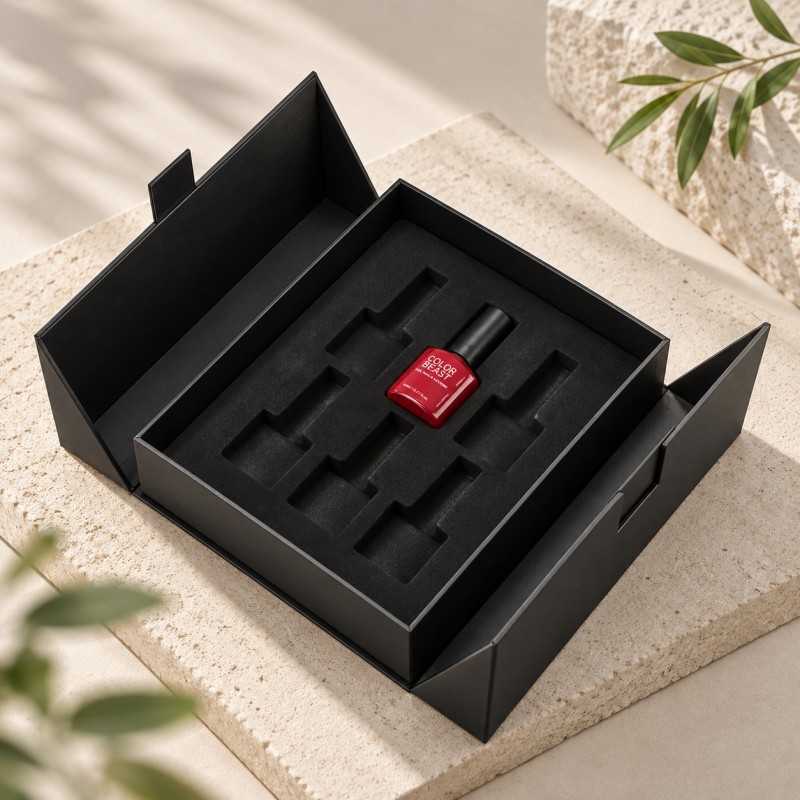
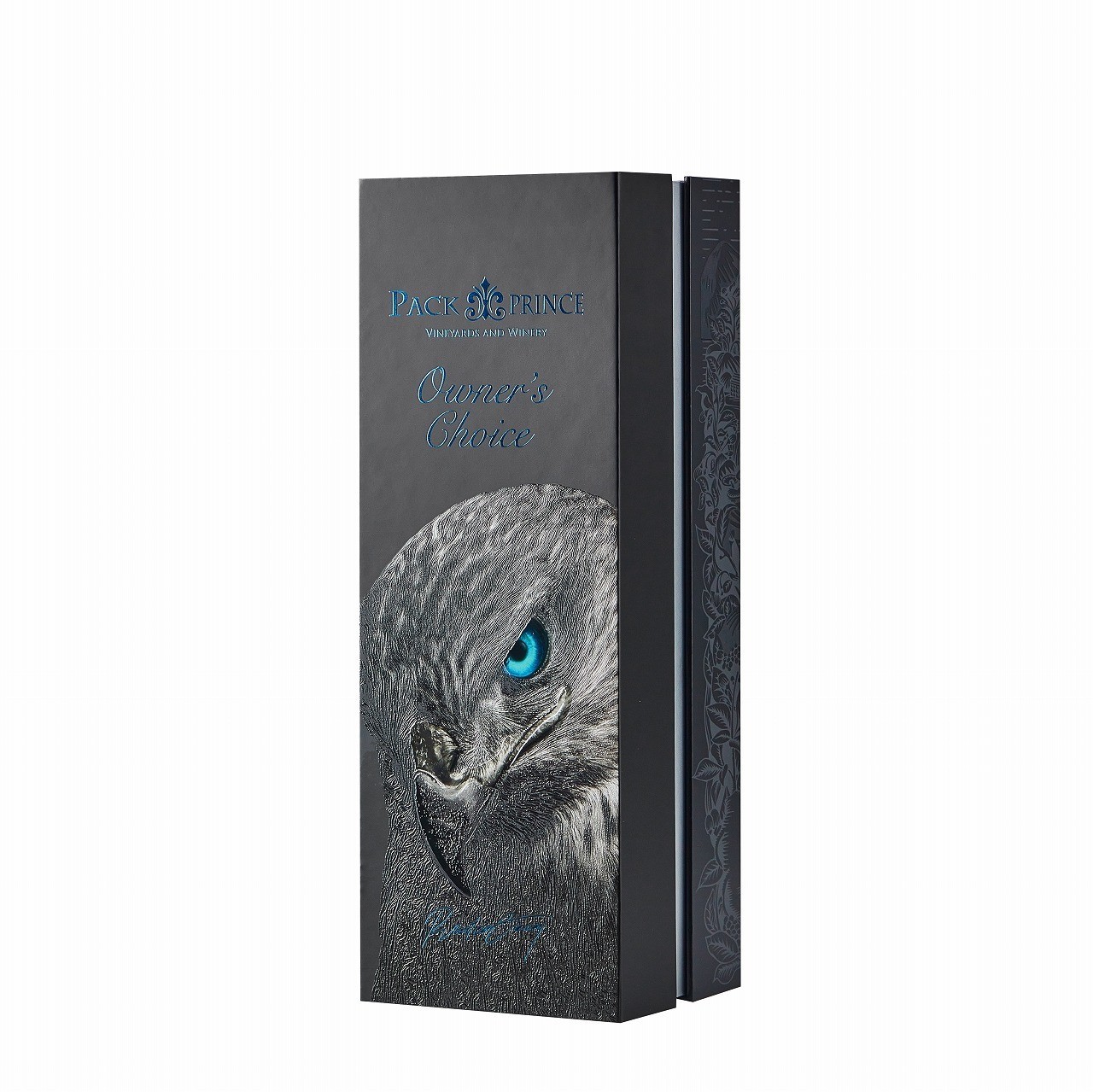
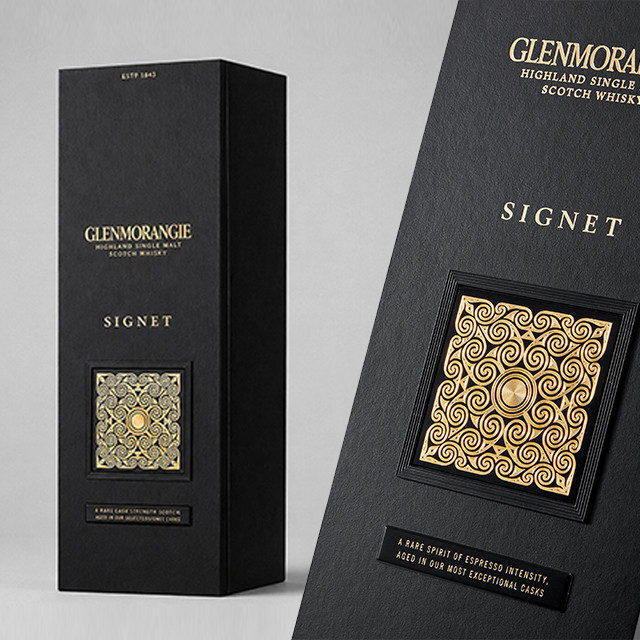
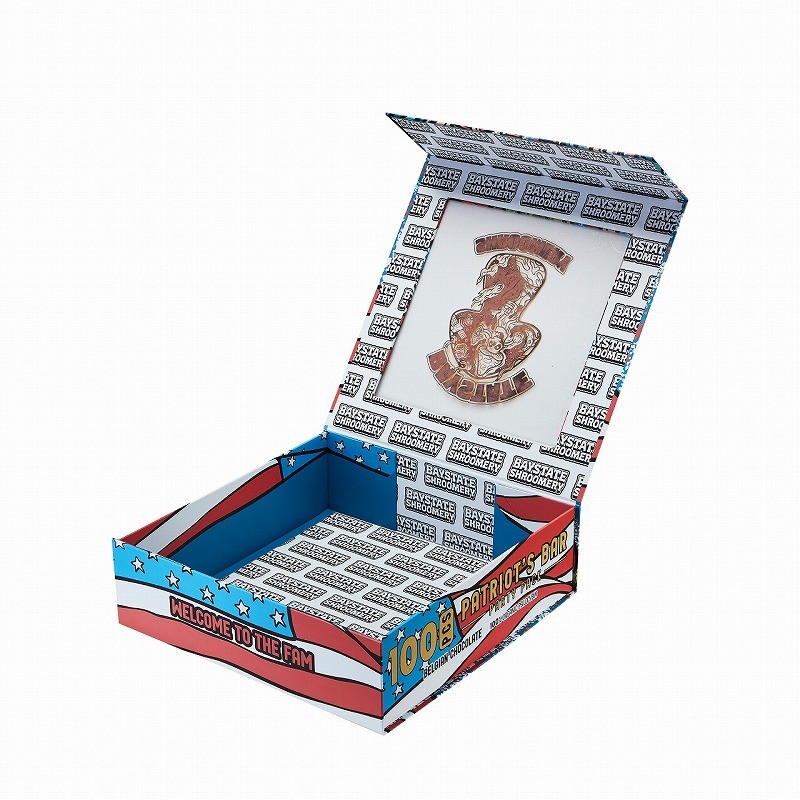
Custom packaging cost is not a single price tag — it is the sum of every decision made between a product concept and a sealed export carton. Structure engineering, dieline drawing, sampling, board and wrap selection, printing, surface finishing, die-cutting, hand assembly, inserts, quality inspection, export packing, freight and duties all stack into the number you ultimately pay. Cutting corners on one line usually pushes cost onto another. For brands buying wholesale packaging boxes, understanding what drives that number matters more than chasing a low unit rate. In this 2026 guide, the team at DHP Boxes breaks custom packaging cost down component by component, explains why short runs cost more per box, compares rigid, folding, magnetic, drawer and tube formats, and shows the practical levers that lower price without lowering quality. Most buyers see one figure on a quotation and assume it reflects material alone. In reality, tooling and labour carry a large share. Seven blocks make up the landed figure: The table below is the working model our estimators use for a mid-complexity rigid or folding program. Exact percentages shift with specification, so treat them as an order of magnitude rather than a fixed formula. Every order carries fixed setup work that does not shrink with quantity: artwork preparation, plate making, die cutting, colour matching, press make-ready and line changeover. Spread that fixed block over 500 boxes and each one carries a large slice of it; spread the same block over 50,000 boxes and the slice all but disappears. That is the entire reason a per-unit price falls as volume rises — material and labour scale roughly linearly, but setup does not. Our own minimum order quantity for a custom box typically starts around 500–1,000 pieces, and that floor exists for a reason: below it, the factory still performs a full make-ready. Splitting a large program into several small batches therefore costs more per unit than one continuous run, even though it protects cash flow and a launch date. Structure is usually the single biggest cost lever, because it decides how much hand labour each box consumes. A folding carton pops up from a flat glued blank on an automated line; a rigid box is wrapped and formed piece by piece. Substrate choice is a quiet but powerful driver. Duplex grey board (also called chipboard or double greyboard) forms the rigid core, and heavier grades cost more while giving a firmer feel. On the printed surface, C1S art board takes print on one side, C2S art board on both, and coated paper or woodfree stock sits below both in price. Special stocks shift the number sharply: leatherette paper, pearl paper, textured fancy paper, gold and silver board paper and holographic foil are bought in against the order, so they cost more and take longer to source than stock grey board or kraft paper. Recycled kraft and FSC-certified papers sit mid-range and are increasingly requested by buyers with sustainability targets. Every finishing process is an extra station, an extra make-ready and often an extra pass through the press. Standard matte or gloss lamination is the cheapest way to protect print; anti-scratch matte lamination costs a little more. From there, each effect compounds: Two deliberate accents often communicate more quality than five stacked at once — and they cut both cost and lead time. Our estimator will quote each pass separately so you can see exactly what each effect adds. Inserts protect the product and shape the unboxing moment, and they vary widely in price. A die-cut paperboard or cardboard insert is the cheapest and ideal for lightweight items. Moulded pulp trays — made from recycled paper fibre — sit in the middle and suit sustainable programs. At the top end, EVA foam, velvet or fabric inserts and PVC trays require custom moulds and hand fitting, and add both cost and assembly time. Where a product must not move in transit, the insert is not optional — a material contaminant or a cracked fold caught at inspection is far cheaper to prevent than a returned container. We routinely recommend a paperboard divider for cost-sensitive runs and reserve moulded inserts for premium gifting formats. Minimum order quantity and unit cost pull in opposite directions. MOQ for a custom printed box typically starts in the low hundreds of pieces and rises to the low thousands for a rigid, hand-assembled format with foil and a moulded insert; OEM and ODM projects sit at the higher end because the structure itself must be developed from scratch. Below MOQ the factory still needs a full make-ready, so fixed setup work is spread over fewer units. Above roughly 5,000 pieces, per-unit press cost flattens out and hand-assembly capacity becomes the real constraint. For procurement teams, the honest trade-off is this: a slightly higher MOQ usually buys a materially lower unit price, and it is often worth carrying a little extra stock to get there. Almost every saving comes from simplifying the specification, not from squeezing the supplier. Review these levers in order, because the earliest are the cheapest. Unit price alone is a misleading metric. What matters is landed cost: the per-box figure once tooling, sampling, freight, duty and any rework are included. When a quotation lands, check these points to compare suppliers fairly. Dos Don'ts The most expensive mistake is a cheap box that fails on arrival. A misprint, wrong paper material, colour shift, poor gluing or a detached window caught at final AQL inspection means rework or a re-run — adding weeks and real cost. Catching an ink-density drift, a hickey or incomplete lamination early is far cheaper than catching it in a container. Custom packaging cost has to be read against what the box does for the product. A carton that protects a shipment of components and one that carries a luxury gift on a retail shelf serve different jobs, and the second justifies more material, hand assembly and finishing. The disciplined approach is to set the specification from the product's value and channel first, then optimise cost inside that band — not to start from the cheapest quote and hope it holds up. Three cost categories behave very differently. One-off costs — engineering, sampling, die-cutting — are paid once per design. Variable costs — board, printing, finishing, assembly, inserts — scale with quantity. Logistics costs — packing, freight, duty — scale with volume and mode, which is why a lighter, flat-packed structure can win the whole equation even when its material cost is higher. A supplier who can itemise all three is a supplier you can actually plan against. There is no universal figure, because the number depends on structure, board grade, finishing passes, insert type and run length. What we can say is that fixed setup drives unit price down as volume rises, and a folding carton on stock material with a single lamination sits at the low end, while a hand-wrapped rigid box with foil and a moulded insert sits at the high end. Ask a manufacturer for itemised options within your MOQ. Because setup work never shrinks with quantity. Plates, dies, colour matching and press make-ready are the same for 500 boxes as for 50,000, so a small run spreads that fixed block over very few units. Raising quantity, consolidating batches or reusing existing tooling all attack the same problem. A folding carton is generally cheaper per unit, because it is machine-glued from a flat blank and ships flat. A rigid box delivers a sturdier, more premium feel but is wrapped and assembled by hand, and a collapsible rigid box sits between the two — rigid in use, flat-packed in transit. Each finishing process adds a station, a make-ready and often a separate pass, so foil stamping, embossing, spot UV and soft-touch lamination all compound. Two well-chosen accents usually deliver more perceived quality per unit of cost than a stack of five. Compare landed cost, not unit price. Ask for the breakdown across material, printing, finishing, tooling and freight; confirm whether tooling and sampling are one-off; and settle the inspection standard, usually AQL sampling to ISO 2859-1. A slightly higher quote with a full breakdown is often cheaper to run than a low one with hidden extras. Custom packaging cost is built, not guessed. Break it into engineering, material, printing, finishing, tooling, assembly, inserts and logistics; remember that fixed setup makes short runs expensive per unit; and compare landed cost rather than unit price. Then choose the specification your product actually needs and optimise inside that band. DHP Boxes is a custom packaging manufacturer with two decades of experience producing rigid boxes, folding cartons, mailers and tube formats for brands worldwide — from custom logo boxes and private label runs to wholesale packaging boxes, with itemised quotations, free samples and OEM/ODM support. MOQ typically starts around 500–1,000 pieces, standard production runs 15–25 working days, inspection follows the ISO 2859-1 AQL framework, and we work with FSC-certified papers, water-based inks and moulded pulp inserts where sustainability matters. Learn more about DHP Boxes, browse our packaging products, or read more cost and manufacturing guides on our blog. To price a project, send us an inquiry.What Makes Up the Cost of a Custom Packaging Box?
Component-by-Component: Where the Money Actually Goes
Cost component
Typical share of unit cost
What moves it
Structure engineering & dieline
One-off; amortised over the run
Custom die, bespoke insert cavity, magnet positioning
Sampling & approval
One-off; often free for simple formats
Number of physical sample rounds
Board & wrap material
25–40%
Grey board thickness, C1S vs. C2S art board, special paper
Printing
10–20%
Number of colours, screen vs. litho, plate charges
Surface finishing
10–25%
Foil stamping, embossing, spot UV, soft-touch lamination
Die-cutting & tooling
One-off plus small per-unit
New die vs. reusing existing tooling
Hand assembly & inserts
15–35%
Rigid wrapping, EVA vs. paperboard tray, dividers
QC, packing & freight
5–15%
AQL level, export carton count, air vs. sea
Why Do Small Runs Cost More Per Box?
Which Box Structure Fits Your Budget?
Box structure
Relative unit cost
Why
Two tuck end / straight folding carton
Lowest
Automated gluing, minimal material, flat-packed freight
Window box / clear-window carton
Low plus patching
Added window material and registration step
Corrugated mailer / shipping box
Low
Flexo printing, but higher minimum run quantities apply
Collapsible rigid box
Mid-range
Rigid feel with a better freight profile than a fixed box
Magnetic closure box
Higher
Magnets, flap alignment and per-piece assembly
Drawer / sliding box
Higher
Sleeve and tray tolerances plus two wrapped parts
Round tube box
Higher
Cylindrical forming, curl and seam labour
Advent calendar / compartment tray
Highest
Many cavities per unit — peak assembly labour
How Do Materials and Board Weight Change the Price?
How Much Do Surface Finishes Add?
What Do Different Inserts Cost?
How Does MOQ Interact With Unit Price?
How Can You Reduce Custom Packaging Cost?
How to Compare Quotes — and Avoid Costly Mistakes
Should You Buy on Cost or on Value?
Frequently Asked Questions
How much does custom packaging cost per box?
Why is a low volume order so expensive per unit?
Which is cheaper: a rigid box or a folding carton?
Does finishing really add much to the price?
How do I compare quotes from different suppliers?
Final takeaway: how DHP Boxes can help