5 Printing Methods Used for Premium Packaging Boxes
- Share
- publisher
- DHP Boxes
- Issue Time
- Oct 6,2026
Summary
Compare 5 packaging printing methods including offset, digital, screen, flexographic and UV printing. Learn their quality, applications, costs and limitations.
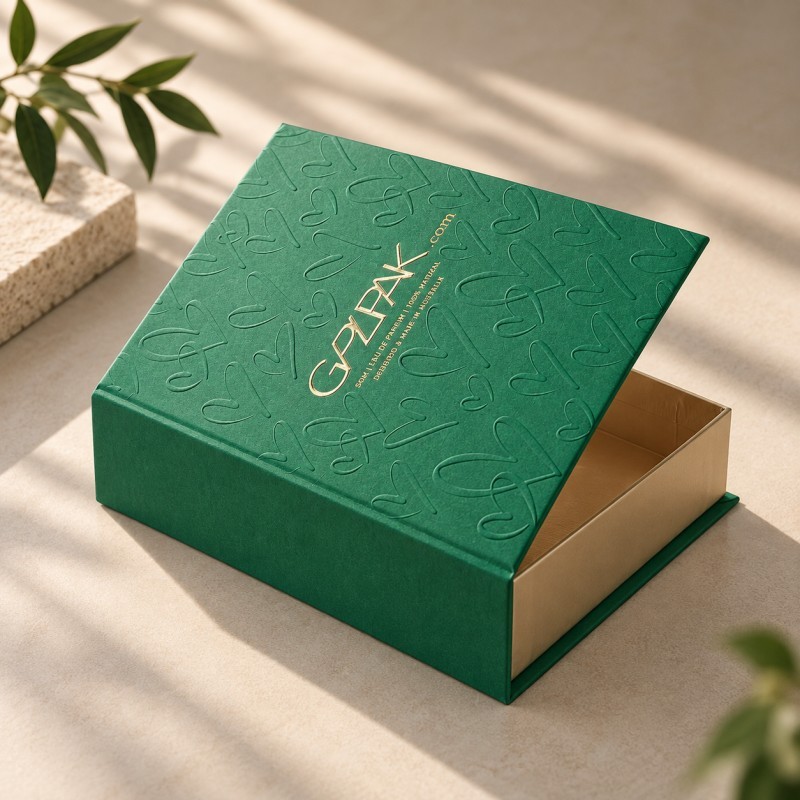
5 Printing Methods Used for Premium Packaging Boxes
Printing is one of the most important decisions in custom premium packaging because it determines how accurately brand colors, graphics, text and visual details appear on the finished box. Offset, digital, screen, flexographic and UV printing each offer different advantages. This guide compares five common packaging printing methods and explains where each one works best.
The five common printing methods used for premium packaging boxes are offset printing, digital printing, screen printing, flexographic printing and UV printing. Offset printing is widely used for high-quality paper packaging and larger production runs. Digital printing offers flexibility for samples and shorter runs. Screen printing is useful for strong ink coverage and selected specialty applications. Flexographic printing is efficient for suitable high-volume packaging applications, while UV printing provides fast curing and can produce crisp graphics on a range of compatible surfaces. The best method depends on the packaging material, artwork, quantity, color requirements, budget and finishing process.
Why Does the Printing Method Matter for Premium Packaging?
When buyers develop a custom packaging box, printing is often discussed simply as “printing the artwork.” In production, however, the printing method affects much more than whether the logo appears on the box.
It influences color consistency, image detail, production speed, setup cost, unit cost, material compatibility and the finishing processes that can be applied afterward.
A luxury rigid box with photographic artwork may require a very different printing solution from a minimalist jewelry box with one solid brand color. Likewise, a prototype of 10 boxes should not automatically use the same process as a production order of 50,000 boxes.
For this reason, packaging buyers should evaluate artwork, material, quantity, color requirements and finishing together before selecting a printing process.
Offset Printing
Offset printing is one of the most widely used printing methods for premium paper packaging. In an offset process, the printed image is transferred from a plate to a rubber blanket and then onto the printing substrate.
For luxury rigid boxes, artwork is often printed on art paper or another suitable wrapping sheet before that printed paper is laminated or wrapped onto rigid greyboard. This allows detailed graphics, fine text, gradients and controlled brand colors to be incorporated into a premium box structure.
One of the major strengths of offset printing is its ability to produce high-quality results consistently across larger production quantities. It works particularly well for packaging that contains complex CMYK graphics or requires carefully controlled spot colors.
The trade-off is setup. Printing plates and machine preparation are required, which means offset printing is generally more economical when the production quantity is large enough to distribute those setup costs across the order.
Digital Printing
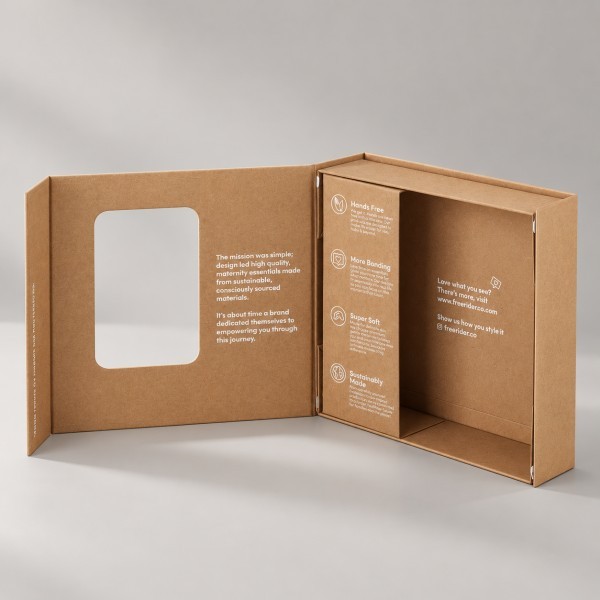
Digital printing transfers digital artwork directly to the printing device without the conventional printing plates required for offset production.
This makes digital printing particularly useful during packaging development. When a buyer needs printed samples, prototypes, multiple design versions or a relatively small quantity, digital production can reduce preparation time and make artwork changes easier.
It is also useful for projects that require variation between designs. Because there is less traditional plate preparation, changing artwork between versions can be more flexible.
However, digital printing should not automatically be considered a replacement for offset printing. For larger quantities, offset may offer a better production cost structure, while exact color appearance can differ between digital and offset equipment.
This is especially important when a digital sample is used to approve a future offset-printed mass production order. Buyers should confirm whether the sample is intended to approve structure and design or to act as the final color standard.
Screen Printing
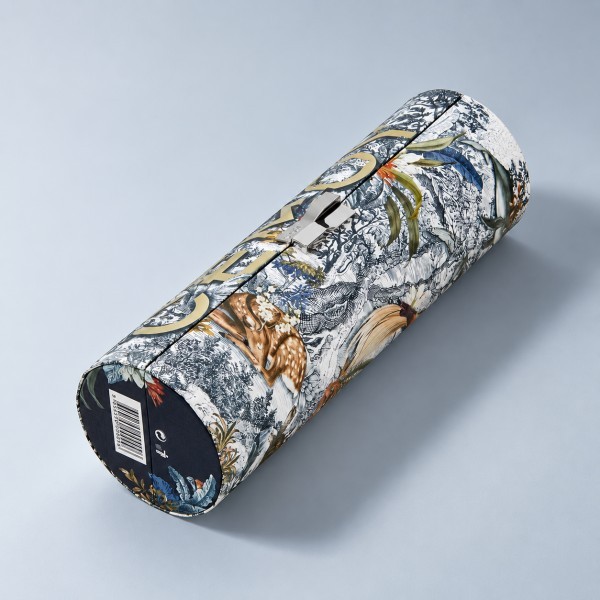
Screen printing uses a mesh screen and stencil to transfer ink onto the selected surface. Ink is pushed through the open areas of the screen to create the required graphic.
Compared with conventional process printing, screen printing can apply a relatively strong ink deposit. This can make it useful for bold logos, simple graphics and certain specialty surfaces where another printing process may not be the most practical option.
It can also be used selectively when the packaging concept requires a particular visual or tactile ink effect rather than highly detailed photographic reproduction.
Screen printing is generally more suitable for relatively simple artwork than complex photographic images. Each color may require separate preparation, so artwork with many colors can increase production complexity.
For premium packaging, screen printing should therefore be chosen because its particular ink coverage or material compatibility benefits the design, rather than simply because it is another way to reproduce the same artwork.
Flexographic Printing
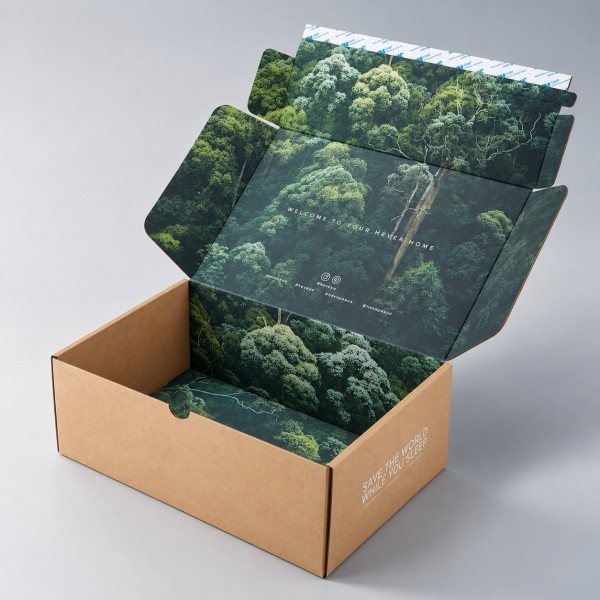
Flexographic printing uses flexible relief plates and is widely used across packaging applications. It is particularly efficient for continuous or high-volume printing on suitable packaging substrates.
In the broader packaging industry, flexography is commonly associated with corrugated packaging, labels, films, bags and other production formats where speed and repeatability are important.
For premium paper packaging, flexographic printing may be relevant when the packaging construction or production format suits the process. It is not necessarily the first choice for every luxury rigid box project, especially when highly detailed artwork is printed on premium wrapping paper.
Its advantage becomes clearer when production efficiency, repeat volume and compatibility with the selected substrate make flexographic production appropriate.
Buyers should therefore avoid selecting flexographic printing simply based on order volume. The packaging manufacturer should first evaluate the substrate, required print quality, artwork and converting process.
UV Printing
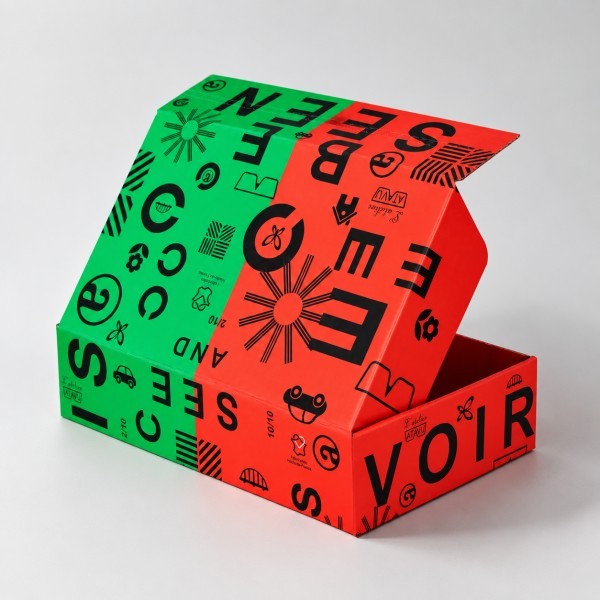
UV printing uses ultraviolet light to cure specially formulated ink rapidly during the printing process. Because the ink is cured quickly rather than relying only on conventional drying, UV printing can create crisp graphics and can work with a range of compatible substrates.
In premium packaging, UV printing can be useful when the selected surface or visual design benefits from rapid curing and strong graphic definition.
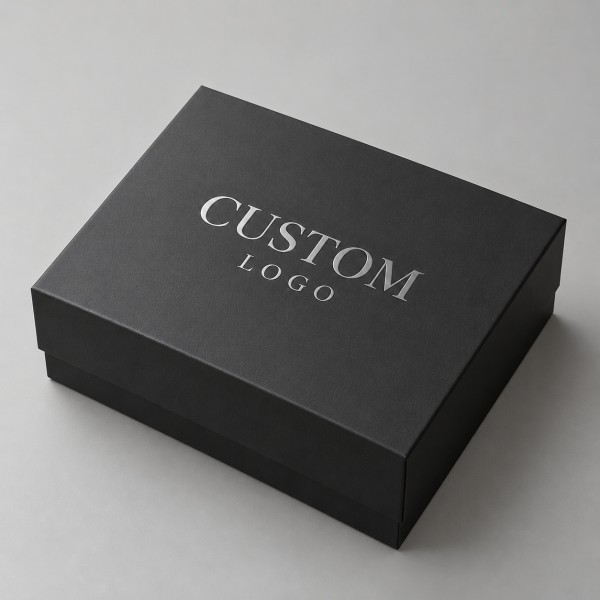
It is important to distinguish UV printing from Spot UV finishing. UV printing refers to a printing process in which UV light cures the ink. Spot UV is a finishing technique that applies a glossy UV coating to selected areas, often to highlight a logo, product image or design element against a matte surface.
The two processes can serve different purposes, and buyers should clarify which one is being specified on quotations, artwork and production instructions.
Packaging Printing Methods Comparison
There is no single printing method that is best for every packaging project. The right choice depends on the interaction between artwork, substrate, order quantity, quality target and cost.
| Printing Method | Best For | Color & Detail | Order Size | Setup | Main Limitation |
|---|---|---|---|---|---|
| Offset Printing | Premium paper boxes and detailed graphics | Excellent | Medium to large | Higher initial setup | Less economical for very small runs |
| Digital Printing | Samples, prototypes and short runs | Very good | Small to medium | Low and flexible | Mass-production economics and color may differ from offset |
| Screen Printing | Bold logos and specialty applications | Good for simple graphics | Application dependent | Separate screens may be required | Not ideal for complex photographic artwork |
| Flexographic Printing | Efficient repeat packaging production | Good to very good | Medium to high | Plate preparation required | Not the preferred process for every premium rigid box |
| UV Printing | Crisp graphics on compatible surfaces | Very good | Project dependent | Specialized equipment | Material compatibility must be confirmed |
Which Printing Method Is Best for Luxury Packaging?
For many premium paper packaging projects, especially rigid boxes wrapped with printed paper, offset printing is one of the most practical choices for mass production. It provides the detail and color control required for sophisticated graphics while becoming more cost-efficient at appropriate production quantities.
However, that does not mean every luxury box should be offset printed.
Detailed Printed Artwork
Offset printing is usually a strong option for detailed CMYK graphics, gradients and high-quality printed wrapping paper.
Prototype or Short Run
Digital printing provides greater flexibility when only a limited number of printed pieces are required.
Simple Bold Logo
Screen printing may be considered when strong ink coverage and simple graphic elements suit the selected surface.
High-Volume Packaging Format
Flexographic printing can offer efficient production when the substrate and packaging format are suitable.
Special Surface Requirements
UV printing may be useful when compatible substrates and rapid ink curing support the intended design.
Minimalist Luxury Design
Conventional printing may be minimal. Specialty paper combined with foil, embossing or debossing can carry the brand identity.
CMYK vs Pantone: They Are Not Printing Methods
One common source of confusion in packaging quotations is the difference between the printing process and the color system.
CMYK uses combinations of cyan, magenta, yellow and black to reproduce a broad range of colors. It is particularly useful for photographs, gradients and multi-color artwork.
Pantone spot colors are specified colors that can be used when a brand needs more controlled reproduction of a particular color. They are especially relevant for logos and important brand colors.
Therefore, “Pantone printing” should not automatically be treated as a separate printing technology in the same way as offset or digital printing. For example, an offset production job may use CMYK, spot colors or a combination of both depending on the artwork.
For premium packaging, the decision should be based on the artwork and color standard rather than simply choosing CMYK or Pantone because one sounds more premium.
How Does the Printing Method Affect Color Accuracy?
Color consistency is not determined by the printing method alone. The same color specification can appear different when the substrate, surface coating, ink, machine settings or production conditions change.
A color printed on white coated art paper may not look identical when printed on cream, kraft or colored specialty paper. Matte and gloss surfaces can also change how the eye perceives the finished color.
This is why professional color control should start before mass production. Important brand colors should have a clearly defined reference, and the approved sample should specify what exactly is being approved.
Which Printing Method Works Best on Different Packaging Materials?
Material selection and printing method should be developed together. A printing process that performs well on smooth coated paper may not produce the same result on a highly textured, absorbent or dark-colored stock.
| Packaging Material | Common Printing Consideration | Buyer Recommendation |
|---|---|---|
| Coated Art Paper | Suitable for detailed graphics and controlled color reproduction | Strong option for offset and many digital applications |
| Uncoated Paper | Ink absorption can affect color appearance | Review a physical print sample before approval |
| Textured Paper | Surface texture may interrupt very fine printed details | Simplify artwork or test the selected process |
| Colored Specialty Paper | Base color influences the appearance of printed ink | Consider whether printing, foil or embossing is more suitable |
| Kraft Paper | Natural brown base changes color reproduction | Use artwork designed specifically for the kraft substrate |
| Corrugated Board | Printing depends on liner quality and production method | Evaluate flexographic or printed-liner solutions according to quality target |
Printing vs Finishing: What Is the Difference?
Printing and finishing are often discussed together, but they serve different functions.
Printing generally creates the graphic information and colors on the packaging. Finishing adds visual or tactile effects after or alongside the printed design.
Common premium packaging finishes include:
- Hot foil stamping for metallic logos and decorative elements.
- Embossing to create a raised design.
- Debossing to create a recessed design.
- Spot UV to highlight selected areas with gloss contrast.
- Matte lamination for a smooth, subdued surface.
- Gloss lamination for higher surface shine.
- Soft-touch effects when a more tactile premium surface is required.
A premium box does not need every available finish. In many cases, one controlled printing method combined with one carefully selected finish creates a more sophisticated result than using multiple competing effects.
You can review more of DHP's printing, finishing and production options on our packaging capabilities page.
Common Printing Limitations Packaging Buyers Should Know
Understanding production limitations early can prevent unnecessary sample revisions and color disputes later.
- Digital samples may not perfectly match offset mass production. If different printing processes are used, some variation should be expected.
- Paper color affects ink color. Printing the same artwork on white, cream, kraft and dark specialty papers will not necessarily create the same visual result.
- Very fine graphics can be affected by texture. Deeply textured paper may reduce the clarity of very small text or thin lines.
- Solid colors can reveal inconsistency more easily. Large areas of a single color require careful production control.
- Finishing changes perceived color. Matte lamination, gloss lamination and other coatings can influence the final appearance.
- Different material batches may create subtle variation. Paper and other substrates should be controlled as part of the color management process.
- Screen colors are not reliable production standards. Monitor brightness, display settings and file profiles can all change how artwork appears digitally.
How to Choose the Right Packaging Printing Method
Before asking a packaging manufacturer which printing method is “best,” provide enough project information for the supplier to evaluate the complete production requirement.
1. Confirm the Material
Identify whether the artwork will be printed on coated paper, kraft, specialty paper, corrugated material or another substrate.
2. Review the Artwork
Photography, gradients, large solid colors and simple logos create different printing requirements.
3. Define Color Standards
Specify whether important colors need CMYK reproduction, Pantone references or an approved physical sample.
4. Confirm Order Quantity
Setup cost and unit economics change significantly between prototypes, short runs and mass production.
5. Confirm Finishing
Foil, embossing, Spot UV and lamination should be considered before the printing specification is finalized.
6. Approve the Right Sample
Confirm whether the sample represents structure only, artwork placement or the final production color standard.
How DHP Controls Printing for Premium Packaging Boxes
At DHP Boxes, printing is part of a broader custom packaging workflow that includes design, prototyping, printing, finishing, converting, assembly and quality control.
For premium packaging, color and print quality need to be considered together with the material and final box structure rather than inspected as an isolated production step.
Artwork is reviewed for dimensions, print areas, colors, finishing positions and production feasibility before printing.
The selected paper or substrate is confirmed because surface color and texture directly influence printing performance.
Important brand colors are evaluated against the agreed reference, such as approved samples or specified color standards.
Print registration, color appearance and the relationship between printed graphics and finishing positions are checked during production.
Printing is reviewed again after converting and assembly because the final appearance also depends on wrapping, alignment and overall box construction.
Learn more about our custom packaging manufacturing capabilities and luxury packaging solutions.
What Should You Send Your Packaging Supplier Before Printing?
Clear project information makes it easier to recommend the correct printing method and reduces the risk of quotation changes later.
For a new custom packaging project, it is useful to provide:
- Final or preliminary artwork files.
- Box dimensions and structure.
- Preferred paper or packaging material.
- Required quantity.
- CMYK or Pantone color requirements.
- Physical color references if available.
- Required foil, embossing, debossing, Spot UV or lamination.
- Reference packaging samples or photographs.
- Target market and desired positioning.
- Any critical visual areas that require tighter control.
The more accurately these requirements are defined before sampling, the easier it is to develop a production method that balances appearance, consistency and cost.
Frequently Asked Questions About Packaging Printing Methods
What is the most common printing method for premium packaging boxes?
Offset printing is commonly used for premium paper packaging when high print quality, detailed artwork and consistent mass production are required. However, the best method depends on the substrate, quantity, artwork and color requirements.
Is offset printing better than digital printing for packaging?
Neither method is universally better. Offset printing is often more suitable for larger production quantities and controlled premium paper packaging, while digital printing is useful for prototypes, short runs and projects requiring greater artwork flexibility.
Which printing method is best for packaging samples?
Digital printing is frequently used for printed packaging samples because it does not require the same conventional plate setup as offset printing. Buyers should confirm whether a digitally printed sample is intended as a color standard for later mass production.
What is the difference between CMYK and Pantone printing?
CMYK combines cyan, magenta, yellow and black to reproduce a wide range of colors. Pantone refers to standardized spot colors used when more controlled reproduction of a specific brand color is required. They are color approaches rather than two completely separate categories of printing equipment.
Is UV printing the same as Spot UV?
No. UV printing uses ultraviolet light to cure ink during printing. Spot UV is a finishing process in which a glossy UV coating is applied to selected areas to create visual contrast.
Can the same Pantone color look different on different papers?
Yes. Paper color, coating, texture and absorbency can influence the final appearance. A color printed on white coated paper may look different on uncoated, kraft or colored specialty paper.
Can luxury packaging combine printing with foil and embossing?
Yes. Premium packaging commonly combines printing with finishing techniques such as hot foil stamping, embossing, debossing, Spot UV and lamination. These processes should be planned together during artwork and sample development.
How should I approve packaging color before mass production?
For color-sensitive projects, confirm the material, printing method, finishing and agreed color reference. A physical production-representative sample is more useful for final color evaluation than viewing artwork only on a screen.
Choosing the Right Printing Process for Your Packaging Project
The right packaging printing method is not simply the process that produces the most impressive technical specification. It is the process that delivers the required appearance consistently on the selected material at a practical production quantity and cost.
Offset printing remains a strong solution for many premium paper packaging projects, while digital printing offers flexibility during sampling and short runs. Screen, flexographic and UV printing each have applications where their specific production characteristics make sense.
For luxury packaging, the best results usually come from developing material, printing, color, finishing and box structure as one complete system.
DHP Boxes provides custom packaging development for perfume, cosmetics, wine and spirits, jewelry, watches, fashion products and premium gift sets, with printing and finishing selected according to the requirements of each project.
Not Sure Which Printing Method Is Right for Your Packaging?
Share your artwork, box dimensions, material preference, quantity and required finishes with DHP Boxes. Our team can help evaluate a suitable printing and production solution before sampling and mass production.
Contact Us